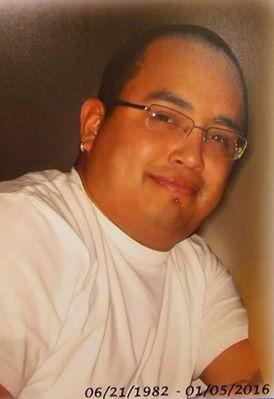
Jose Rodriguez, aged 33, was killed on January 5, 2016, in Chicago, Illinois. His death came during a year marked by an alarming surge in homicides throughout the city, with Chicago experiencing one of the deadliest years in recent history. In 2016, there were 764 homicides reported, a significant increase from previous years. This rise in violence was attributed to a variety of factors, including changes in policing strategies and a reduction in the number of stop-and-frisk encounters that some experts argue allowed for increased gun activity in the city.
Rodriguez's death took place within a climate of escalating gun violence, with the majority of homicides in Chicago being attributed to firearms. In 2016, over 90% of reported homicides were due to gunshot wounds. Many of these incidents occurred in neighborhoods that have been historically affected by gang activity, poverty, and limited social services. The year 2016 saw a particularly high rate of violence in certain areas, predominantly on Chicago's South and West Sides, which have long struggled with systemic challenges related to crime and socio-economic disparities.
The tragic loss of individuals like Jose Rodriguez serves as a painful reminder of the need for comprehensive, community-based strategies to address the root causes of violence. It also underscores the importance of ongoing efforts to improve public safety in Chicago through both law enforcement actions and initiatives aimed at addressing poverty and lack of opportunity in high-risk neighborhoods. The Chicago Police Department’s data shows that the city's struggle with violent crime continues to impact many families and communities in profound and lasting ways.