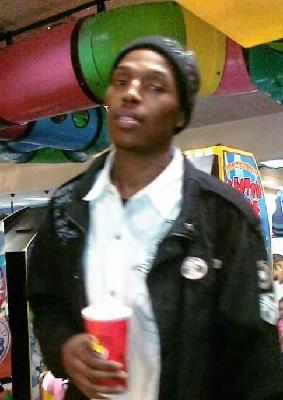
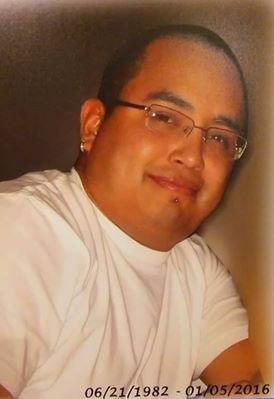
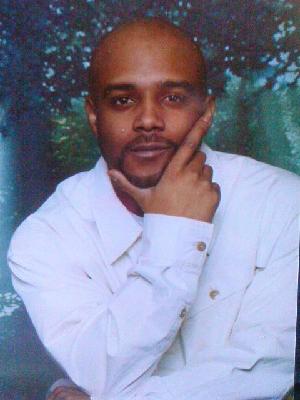
On a cold Saturday in Chicago, November 15, 2014, the life of 23-year-old Kyle Williams was tragically cut short by gunfire. His death was a profound loss to those who knew and loved him, a personal tragedy that became part of a city's larger, ongoing struggle with violence. Details about Kyle's life—his work, his family, his passions, and the people who cherished him—remain held in the hearts of his loved ones, uncaptured by public records. What is known is that a young man full of potential was lost, leaving behind a family to navigate a future without him and a community to mourn another life taken too soon.
The year 2014 was marked by a complex and often contradictory narrative regarding violence in Chicago. While the city would end the year with 420 homicides—a figure that represented a significant decrease from previous decades and a low point for that era—the number did little to comfort the families of the victims. For them, and for Kyle’s family, the statistics were meaningless in the face of their devastating personal loss. Each homicide represented a unique story of pain and an irreparable tear in the fabric of a community. The violence was not evenly distributed, often concentrated in neighborhoods that had long grappled with systemic issues and a persistent flow of illegal firearms.
The specific circumstances of Kyle’s death are not publicly known. The location, the time of day, and the events that led to the fatal shooting remain unanswered questions in the public sphere. When police responded to the call, they would have found a scene that was becoming tragically familiar. The investigation into Kyle's killing would have been handled by the Chicago Police Department's Bureau of Detectives. The standard, methodical process would have begun immediately: patrol officers securing the crime scene, and detectives arriving to launch their painstaking inquiry.
The investigation would have involved a search for physical evidence, such as shell casings or fingerprints, and a canvass of the area for potential witnesses who might have seen or heard something, no matter how insignificant it seemed. Detectives would seek out any available surveillance footage from nearby businesses or residences, hoping a camera might have captured a crucial piece of the puzzle—a vehicle, a person of interest, or the incident itself. The Cook County Medical Examiner's Office would have conducted an autopsy to officially determine the cause of death. Despite these established procedures, many cases from that period grew cold, hampered by a lack of leads or community fear of retaliation.
In the years since Kyle Williams was killed, his case has remained unsolved. There have been no public announcements regarding persons of interest, suspects, or arrests. For his family, the passage of time has not brought answers or justice. They have been left with an enduring grief and the torment of not knowing who was responsible for their loved one's death or why it happened. Their loss is a stark reminder of the hundreds of families in Chicago each year who are forced to endure the same painful uncertainty.
As of today, the investigation into the homicide of Kyle Williams is presumably inactive, a cold case waiting for a new lead or a witness to come forward with long-held information. The absence of a resolution leaves a void not only for his family but for the community as a whole, underscoring the deep and lasting impact of unsolved gun violence. The case remains a quiet but powerful testament to a life lost and the urgent, ongoing need for justice and healing in the city of Chicago.