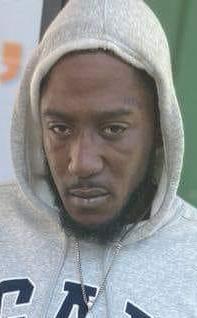
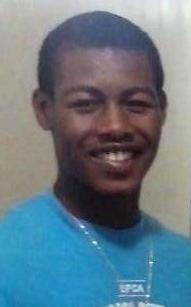
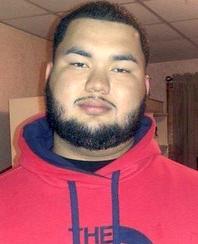
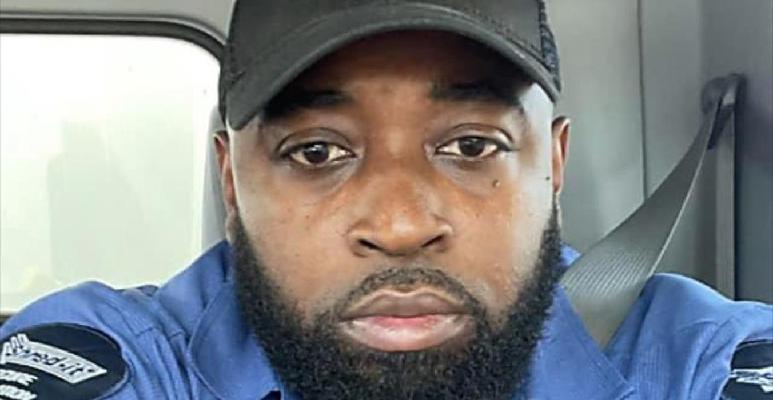
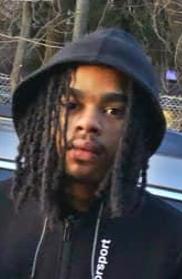
On a January weekend in 2016, 24-year-old Jovan Marino, a Black male from Trenton, New Jersey, was shot on Rosemont Avenue in the city’s West Ward, a stretch of homes that would suddenly become the focus of flashing lights and police tape late on a Friday night. Around 11:15 p.m. on January 8, officers were called to the 100 block of Rosemont Avenue, where gunfire had cut through the quiet and left Jovan gravely wounded in the street. He was rushed from the scene to a local hospital, and for a brief span of hours his life hung in the balance while detectives began the now-familiar routine of canvassing for shell casings, knocking on doors, and trying to coax frightened or traumatized witnesses into talking. By Saturday afternoon, January 9, doctors could do no more; he died from his injuries, becoming one of the city’s first homicide victims of the year.
His death unfolded against the backdrop of a violent 24-hour period in Trenton.
Between Friday night and Saturday night, police responded to four separate shootings across the capital. Prosecutors later confirmed that these incidents did not appear to be connected, but together they underscored how quickly the city’s streets could turn lethal. In the same weekend that claimed Jovan’s life on Rosemont Avenue, another man, 39-year-old Shawntay Ross of nearby Ewing, was shot at Walnut Avenue and Chambers Street and died in the hospital, adding to the grim tally. For investigators, Jovan’s killing became another file in a cluster of cases from that weekend, each demanding attention, each drawing on the same pool of overworked detectives and nervous neighbors.
In the immediate aftermath, public details about exactly what led to the gunfire on Rosemont Avenue were sparse. News accounts focused on the basic facts: the time and location of the attack, the emergency response, and the confirmation that the wounded man had died. There were no official descriptions of an argument, a robbery, or a drive-by; no mention of a dispute outside a particular house or business. A later case summary would describe the circumstances surrounding his death as “shrouded in mystery,” noting only that he had been shot on that block late at night and that he succumbed to his wounds the following day. Even the most basic questions—whether the gunman approached on foot or from a car, whether a single shot rang out or a burst of them—were left unanswered in the public record, emphasizing how little authorities chose to reveal or were able to confirm.
As the investigation moved from the frantic first hours into the slower rhythm of follow-up work, officials appealed for help from anyone who had seen or heard something. Homicide Watch Trenton reported that police urged tipsters to contact the Mercer County Homicide Task Force or a confidential Trenton police line, signaling that they were still searching for leads and that no one had been taken into custody. Around the same time, a regional news outlet summarizing the weekend’s violence noted bluntly that no arrests had been made in any of the shootings, including the one that killed Jovan. Nearly a decade later, a dedicated case page still describes his killing as unresolved in the public eye, stating that no significant details about the shooter or the motive have been disclosed and inviting readers to submit any new information they might have. The absence of a named suspect or a publicly identified reason for the attack has left the narrative of his final moments fragmented, defined more by silence than by answers.
While detectives worked a case with few public breakthroughs, Jovan’s memory began to live on in the quieter spaces of online memorials. On one national gun-violence remembrance site, his name and photograph appear with the simple note that he was lost to gun violence in Trenton on January 8, 2016, surrounded by virtual candles lit by family, friends, and strangers who wanted to mark his absence. The messages there, along with later birthday tributes posted from Trenton, sketch the outline of a young man remembered with affection and grief, even as official accounts of his life focus almost entirely on the moments of violence that ended it. In these corners of the internet, the clinical language of police and prosecutors gives way to the language of loss, emphasizing how deeply his death resonated beyond a brief headline about another shooting.
The violence that took his life echoed even into the rituals of mourning. In March 2016, gunfire erupted during a funeral-related gathering in Trenton, drawing horrified attention to the fact that even a procession meant to honor the dead could become a crime scene. In connection with that separate incident, Trenton police arrested 21-year-old Francis McMullen and charged him with five counts of aggravated assault and multiple weapons offenses, according to a later summary of an NJ.com report. These charges were tied to the shooting at the funeral and did not include homicide counts related to Jovan’s killing, and authorities have not publicly stated that the funeral gunfire resolved the question of who shot him on Rosemont Avenue. Taken together with the continuing appeals for information and the lack of any named suspect in official summaries, the record suggests that, despite the arrest stemming from the funeral incident, Jovan Marino’s death itself remains a case in which the identity of the killer and the motive for the attack have not been publicly brought to light.