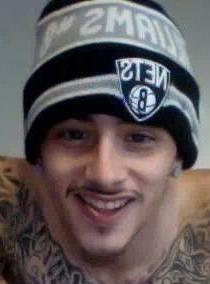
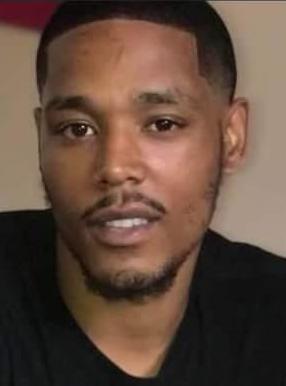
On August 7, 2016, in the heat of a summer afternoon in Camden, New Jersey, 40-year-old Jose Alexis Cabrera, a Hispanic/Latino man, was going about an ordinary day when the quiet of the 1500 block of South 9th Street was broken by the sudden crack of gunfire. Gunshot-detection technology alerted Camden County Police to multiple shots in the area, drawing officers toward a residential stretch of rowhouses where the echoes of the blasts were still hanging in the air.
Neighbors peered from windows and doorways, trying to understand what had happened, as patrol cars converged on the block and officers moved quickly down the street.
On the pavement they found Cabrera critically wounded, struck by gunfire that had come and gone far faster than anyone could react. Officers and responding medical personnel worked urgently over him, stabilizing him as best they could before rushing him to Cooper University Hospital, the region's major trauma center. For a brief moment the ambulance ride and the hospital's bright emergency lights offered a sliver of hope that the violence might be survivable. But the damage from the bullets was too severe. Not long after his arrival, at around 3:10 p.m., doctors pronounced him dead, another life cut short by gun violence in a city that had long been struggling to pull itself out from under that shadow.
Back on South 9th Street, the block transformed into a crime scene as the news filtered through the neighborhood that Cabrera had not made it. Detectives walked the area, looking for shell casings and any trace of the shooter's path, while evidence markers appeared along the asphalt and sidewalk. Officers went door to door, asking who had heard what, who had seen which car or figure moving just before or after the shots. The killing was soon described in local coverage as a weekend shooting that had left a 40-year-old Camden man dead, part of an all-too-familiar pattern of sudden loss in the city. Appeals for information went out to the public, urging anyone who might have seen something—no matter how small—to come forward and help piece together what had unfolded in those brief, violent seconds.
While detectives worked the case, Cabrera's family prepared to bury him. Funeral arrangements were made through May Funeral Home on South 4th Street in Camden, where mourners gathered for evening and morning viewings on August 11 and 12, 2016. The services were followed by a short procession to Harleigh Cemetery on Haddon Avenue, where he was laid to rest late on the morning of August 12. Online obituary and memorial pages captured fragments of who he had been to those who loved him best—messages from friends and relatives remembering his laugh, his jokes, and the way he lit up a room, along with simple, aching notes that he would be deeply missed. Over time, his name appeared on national gun-violence memorial sites, where candles and comments from strangers and loved ones alike marked the enduring grief left in the wake of his death.
Years later, Cabrera's case still appears in online homicide and cold-case listings, described as a death by force and inviting anyone with information to share what they know. Those case summaries, updated as recently as 2025, recount the same basic facts of the shooting and his final hours at the hospital but do not record any arrests or publicly identified suspects. Instead, they continue to frame his killing as an open investigation, asking the public for updates and hosting forum posts from people who reflect on the impact of his death and the broader toll of gun violence in Camden. In the absence of any announcement that someone has been charged, Cabrera's story remains that of a man whose life ended abruptly on a summer afternoon, with his family and community still waiting for answers about who pulled the trigger and why.