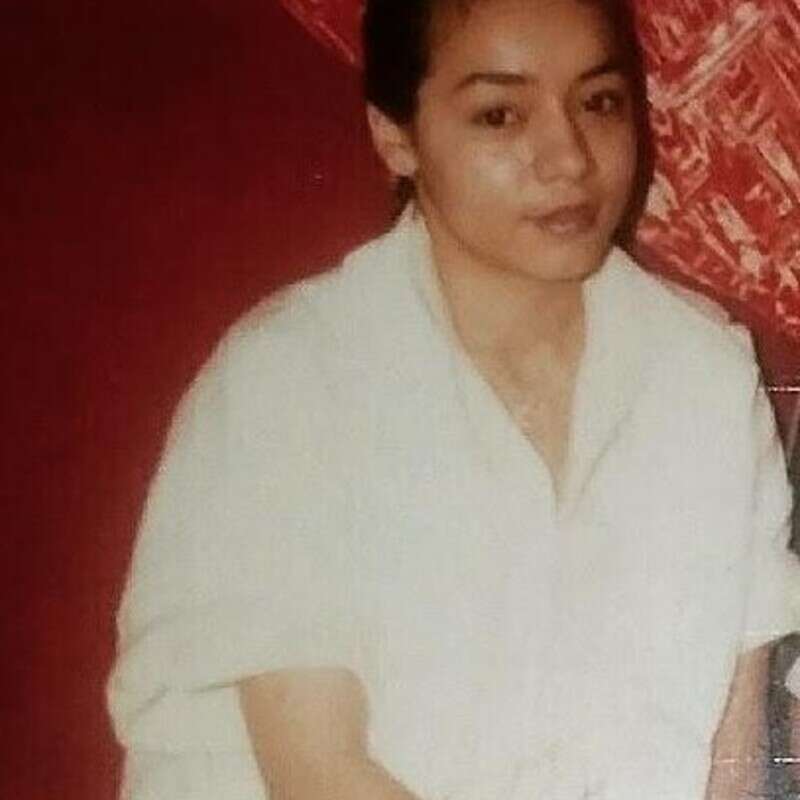
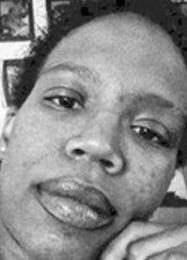
Elizabeth Barnhart Lewandoski, a 24-year-old White / Caucasian woman and registered nurse living in the Newark, Ohio area, was just beginning to build the life she had long imagined when she was killed on February 2, 2017 in what authorities later described as a domestic murder-suicide involving her husband, Licking County sheriff’s deputy David Lewandowski.
Born in Colorado Springs and raised by a close-knit family that later settled in Newark, she grew into someone friends and relatives remembered as “Liz,” a bright, compassionate person who filled rooms with music, laughter, and an easy warmth that drew people toward her. After graduating from Newark High School, she pursued nursing at Central Ohio Technical College, where she excelled academically and clinically, earning recognition such as the Simpson-Wellington Clinical Excellence Award. By 2017, she was working as a registered nurse in the emergency department at Licking Memorial Hospital while also continuing her education toward a bachelor’s degree in nursing at Ohio University, a demanding path she followed out of a deep belief in caring for others.
At home, life appeared outwardly settled. She and David had married in December 2015, building a household together in a residence along Price Road in Newark Township, just outside the city of Newark. He worked patrol for the Licking County Sheriff’s Office; she worked the floors of the local hospital, and the couple were recognized in the community as polite regulars at a nearby Mexican restaurant where staff remembered them coming in together. To friends, coworkers, and extended family, their story might have looked like a familiar small-town future: a young deputy and a young nurse carving out a life side by side, their careers just beginning to take shape.
On the night of February 2, 2017, that image was shattered. Relatives went to the couple’s home on Price Road and discovered a scene that left even seasoned emergency workers shaken: both Elizabeth and David had been shot and were unresponsive. A 911 operator later spoke of the sheer panic in the voices of the callers, describing how the terror and confusion of those first moments were impossible to forget. When deputies and emergency responders arrived, they found the pair dead inside the house, and the shock rippled quickly through the sheriff’s office as colleagues realized that one of the victims was one of their own.
From the outset, investigators with the Licking County Sheriff’s Office and the Ohio Bureau of Criminal Investigation treated the case as a probable murder-suicide. The home on Price Road was secured as a crime scene, and state crime agents were brought in to process evidence, reconstruct the sequence of events, and determine whether the early assumption of murder-suicide would be borne out by forensic findings. In public statements the following day, Sheriff Randy Thorp announced the identities of the dead and emphasized the profound impact on both the sheriff’s office and the hospital community, asking the public to keep the families and the two professional “work families” in their thoughts.
Within days, preliminary autopsy results clarified what had happened inside the home. According to information released through local reporting, those findings indicated that the deputy had shot his wife multiple times before turning the gun on himself. CrimeSolversCentral, summarizing the case using those autopsy results, later noted that she died from multiple gunshot wounds and that he died from a single gunshot wound to the head, consistent with a self-inflicted shot. In the weeks that followed, media coverage continued to describe the deaths as a murder-suicide, and law enforcement agencies did not publicly suggest any alternative scenario. There were no reports of arrests or charges connected to the case, and no indication in the public record that any suspect other than David Lewandowski was ever identified; with the alleged shooter dead at the scene, the criminal aspect of the case effectively ended at the point of those autopsy conclusions and investigative findings.
For those who loved Elizabeth, the story did not end with the investigative file. Her family and colleagues searched for ways to preserve the energy and compassion that had defined her short career. Her mother, Nancy Reeder, worked with Central Ohio Technical College to establish the Elizabeth Barnhart Award for Nursing Excellence, a recognition given to graduating nursing students who embody the intelligence, sacrifice, integrity, and deep connection to patients that she was known for in the emergency department. Each year as the anniversary of the killing approaches, her mother channels grief into acts of remembrance: celebration-of-life gatherings, keepsake teddy bears made from her clothes, and fundraising challenges to sustain the award so that future nurses can carry forward the kind of care she believed in. Friends and coworkers contributed to a memorial fund to help her family and to honor the nurse who had spent her days caring for others, remembering someone who laughed and sang with them between shifts and whose absence left a quiet space in hospital corridors and family circles alike.
In the years since the shootings on Price Road, her name has appeared in online memorials, gun-violence remembrance sites, and scholarship announcements, each one tracing the same arc: a gifted emergency room nurse, a life cut short inside her own home, and a family determined that the legacy left behind would not center solely on the violence of her death, but on the care, hope, and professional excellence that defined her life.