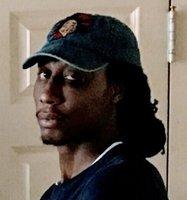
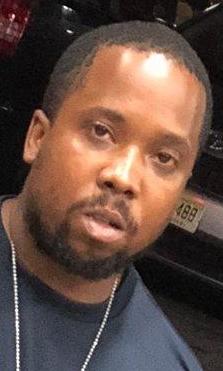
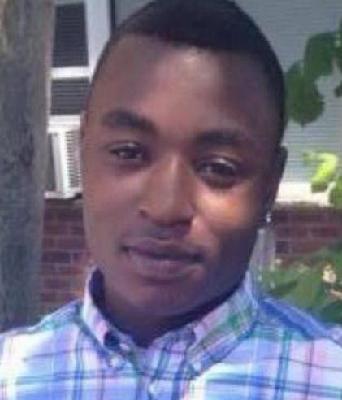
Kofi A. Owens, a 45-year-old Black / African American man and high school teacher, spent years pouring his energy into the students of East Orange, New Jersey, where he taught technology and helped young people learn to code at the STEM Academy and East Orange High School. On the night of August 2 into the early hours of August 3, 2018, he was sitting in his parked car on South 16th Street in East Orange, with his 25-year-old son beside him, when an unknown assailant approached and opened fire. Owens was shot multiple times as he sat inside the vehicle in front of 90 South 16th Street; his son was struck in the leg but survived. Emergency responders arrived quickly, but Owens was pronounced dead at the scene at about 1:18 a.m., his life ending on the same city streets where he had tried to guide and mentor young people.
In the days that followed, the portrait of the man behind the headlines came sharply into focus.
Colleagues and school officials described him as a dedicated educator who had worked in the East Orange School District for more than a decade, most recently as a technology coordinator who introduced his students to science, engineering and computer programming. The superintendent publicly praised his commitment and the respect he earned from both staff and students, while local media highlighted how he was remembered as a “shining light” at East Orange High School. At a candlelight vigil outside the school, several hundred people—students, coworkers, friends, community leaders and family members—gathered to mourn and to share stories about his calm presence and the way he treated every young person as if their future truly mattered.
The corner of South 16th Street where he died became both a crime scene and a makeshift memorial. Community members rallied there, including his brother, who urged neighbors to think about the futures being stolen when violence claims the lives of people who invest in the next generation. Local officials condemned the shooting, with the mayor vowing that such violence would not be tolerated and promising to work with law enforcement to bring those responsible to justice. Law enforcement authorities said early on that no arrests had been made and that investigators were still trying to determine whether he had been specifically targeted or caught in the crossfire. To encourage leads, the Essex County sheriff's Crime Stoppers program announced a reward of up to $10,000 for information leading to the arrest and conviction of whoever carried out the shooting.
As months and then years passed, public appeals for answers continued. Crime databases and case-tracking sites still describe the assailant as unknown and note that Owens was killed by gunfire while sitting in his car, with his son wounded but surviving the attack. One such listing, updated in 2025, continues to characterize the case as involving an unidentified shooter, reflecting that no suspect has been publicly named and no arrest has been reported in connection with the homicide. Meanwhile, his memory has been kept alive in the community: a mural in nearby Newark honors him as an educator who “enhanced the minds” of his students in science and technology, and online memorials speak of him as a loving family man and devoted teacher whose loss left a lasting void. The story of his death remains intertwined with the story of his life—a man known for nurturing possibility in others, taken in an act of violence that has yet to be fully answered for.