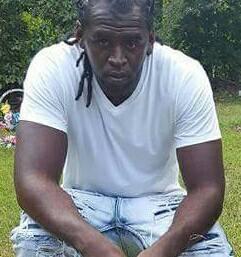
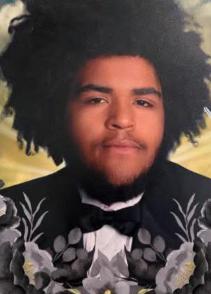
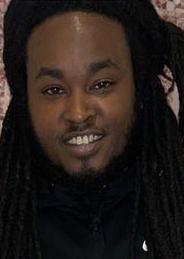
Christian Lahens was a 24-year-old Black / African American man from Asbury Park, New Jersey, living with his family in a home on Dewitt Avenue when violence shattered the late hours of March 23, 2020. He had roots in the local community, remembered in online memorials as friendly, loving, respectful, and working in food service while pursuing his own path through local vocational schooling.
In the days after his death, messages left in his memory spoke of a gentle presence and the hole left in the lives of those who knew him.
That Monday night unfolded like any other until the sound of gunfire broke the quiet of the 100 block of Dewitt Avenue. Around 11:30 to 11:36 p.m., Asbury Park police were dispatched after reports of shots fired in the neighborhood. Officers canvassing the area were directed to the family residence, where they found Lahens inside the home, suffering from a gunshot wound, including a wound to his neck. Emergency responders worked on him both in the house and on the way to Jersey Shore University Medical Center in Neptune, but despite those efforts he was pronounced dead shortly after 12:16 a.m., in the first minutes of March 24.
Detectives from the Monmouth County Prosecutor’s Office and the Asbury Park Police Department opened a joint homicide investigation. In the early weeks, authorities released public appeals for information, noting that Lahens had been shot inside his own home rather than on the street, a detail that suggested he had been deliberately targeted. As investigators dug deeper, they uncovered that this was not the first burst of gunfire at the Dewitt Avenue address: just five months earlier, on October 29, 2019, the same residence had been struck in a separate shooting. A juvenile linked to that earlier attack would later also be connected to the killing, and prosecutors began to describe the March 23 homicide as part of a pattern of retaliatory, gang-related violence, with Lahens viewed as a rival of a local criminal enterprise.
After months of work, investigators announced arrests in late October 2020. Authorities charged Jamir Styles, an Asbury Park resident who had been sought as a fugitive and was ultimately arrested with help from U.S. Marshals, along with a 16-year-old boy from Howell. Prosecutors said the two teenagers approached the Dewitt Avenue home armed with handguns and fired multiple rounds into the residence, striking Lahens and causing the injuries that led to his death. Both were charged with first-degree murder, first-degree conspiracy to commit murder, and second-degree weapons offenses for unlawful possession of a handgun and possession of a handgun for an unlawful purpose. A third man, 19-year-old Jayson Freeman of Lakewood, was charged with hindering apprehension, accused of helping the shooters after the attack. The juvenile was also charged with attempted murder and related offenses for the October 2019 shooting at the same home, underscoring that the family house had been a repeated target long before the night Lahens was killed.
As the homicide case moved forward, it became one thread in a larger tapestry of gang and racketeering prosecutions focused on violence in Asbury Park, Neptune, and nearby communities. Law enforcement later linked Lahens’s killing to a violent street-gang network that trafficked in drugs, guns, dogfighting, and retaliatory shootings. In that wider investigation, prosecutors identified Nahzee Z. Coger as one of the figures responsible for the fatal shooting. By 2025, Coger, then 21, admitted his role by pleading guilty to first-degree aggravated manslaughter in connection with Lahens’s death. He was sentenced on February 12 to 15 years in New Jersey State Prison under the state’s No Early Release Act, meaning he must serve the vast majority of that term before becoming eligible for parole. In public statements, authorities singled out the killing of Lahens as one of the most devastating acts in that wave of gang-related violence that had unsettled the region.
In the years since, the legal filings and press releases have become part of the public record, but the story of the man at the center of it lives on in quieter places: an online obituary noting a life “filled with kindness,” a candle-lit profile on a gun violence memorial site, and community case summaries that record his name, city, and the bare facts of what happened on that late March night. Friends and family posting remembrances describe a person whose warmth and friendliness stood in stark contrast to the cold, calculated nature of the attack that took his life. Even as arrests, charges, and a major prison sentence have brought some measure of accountability, the repeated targeting of his family home and the gang network behind the shooting leave a lingering sense that Lahens’s death was not just a random crime, but a painful example of how organized street violence can reach into the most ordinary of homes and forever alter the lives within.