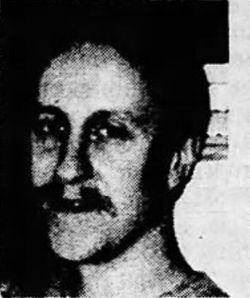
In the winter of 1923 in Albion, Michigan, the life of Clarence Wilkins, a 38-year-old Black man who worked as a janitor at the local Post Office, was cut short. On January 2nd, Wilkins was killed by gunfire, a violent end to a life lived within the small Midwestern community. The incident sent ripples through the town, leading to an investigation and the eventual arrest of a local business owner.
The man accused of the killing was David Ingram, a Black man and the proprietor of a store
on Albion Street. The circumstances that led to the fatal encounter between the two men are not detailed in the available historical records, leaving the motive and the precise events of that day obscured by the passage of time. The case, however, did move forward to a jury trial, where the evidence against Ingram was presented and scrutinized.
In March of 1923, the legal proceedings concluded with a decisive verdict. The jury, after hearing the arguments and weighing the evidence, acquitted David Ingram of the killing of Clarence Wilkins. The acquittal meant that, in the eyes of the law, Ingram was not responsible for Wilkins' death. With this verdict, the official investigation into the death of Clarence Wilkins came to a close, leaving a story with a beginning and a middle, but a final chapter that remains largely unwritten.