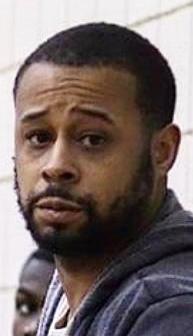
In the autumn of 1995, a promising young man's life was tragically cut short in a senseless act of violence. Jason Guzik, a 25-year-old male, was a chemical engineer and a graduate student with a bright future ahead of him. On the evening of October 12, 1995, he was in the parking lot of a Farmer Jack grocery store on Telegraph Road in Sterling Heights, Michigan, when he was carjacked. The assailant, a 16-year-old named Akil Logan, had ambitions of arriving at a high school dance in a stolen vehicle and chose Guzik's teal Chevrolet Blazer.
The encounter turned deadly when Logan, armed with a. 22 caliber handgun, shot Guzik at point-blank range, killing him instantly. For several days, Logan drove the stolen Blazer with Guzik's body concealed in the back. The victim's remains were later discovered in an alley in a Detroit neighborhood, having been placed in two garbage bags. The brutal and callous nature of the crime sent shockwaves through the community, leaving friends and family to grapple with the sudden and violent loss of a loved one.
For nearly five years, the case remained a painful open wound for Guzik's family as the perpetrator remained at large. A breakthrough finally came in May 1999 when a grand jury compelled witnesses to testify, leading to charges being filed against Akil Logan. In March of 2000, Logan was convicted of first-degree premeditated murder and other related crimes. He was subsequently sentenced to life in prison without the possibility of parole, a measure of justice for the heinous crime he committed as a teenager.
Years later, the legal landscape surrounding juvenile offenders shifted. Following landmark rulings by the U.S. Supreme Court concerning life sentences for minors, Akil Logan's case was revisited. In March 2022, an Oakland County Circuit Judge resentenced him, taking into account his rehabilitation efforts while incarcerated. His life sentence was reduced to a term of 35 to 60 years in prison, with an additional mandatory two years for the use of a firearm in the commission of a felony. This change means that Logan will become eligible for parole after serving a significant portion of his new sentence.