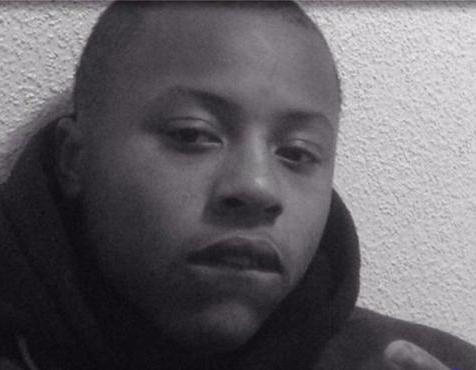
In the late hours of a summer night in Muskegon Heights, Michigan, tragedy struck a promising young life. DeQuarius 'DeeDee' Love, a 17-year-old Black male, was fatally wounded in a drive-by shooting on August 21, 2014. A student-athlete at Muskegon Heights Academy High School, Love was walking with a friend to a neighborhood party when a van passed by, and shots were fired. He was found at the corner of Peck Street and Hume Avenue just before 12:30 a.m., having been shot in the back. The incident cut short a life that was just four days away from the start of his senior year of high school.
The investigation into DeQuarius Love's death soon uncovered a connection to a social media post. A week prior to the shooting, Love had posted a mocking Facebook video of himself and a friend at a location considered the territory of a rival gang. In the video, they were seen flashing gang signs and taunting, an act that investigators believed provoked a retaliatory attack. This digital bravado is thought to have been the catalyst for the violent events that followed, highlighting the dangerous intersection of online activity and street-level conflicts that plagued the community. The city was already grappling with a surge in violence, with Love's death marking the seventh homicide in Muskegon Heights in just four months.
Authorities identified 19-year-old Maurtice Poole-Knight as a suspect in the shooting. He was subsequently arrested and charged with open murder and a gang-related felony. During the trial, the prosecution presented the Facebook video as key evidence, arguing that the shooting was a direct retaliation for the disrespect shown in the post. Further evidence included YouTube videos that purportedly showed Poole-Knight and other gang members rapping about violence against rival gangs. Poole-Knight's defense attorney contended that his client was not a gang member and was not in the vehicle when the shots were fired.
Ultimately, the legal proceedings concluded with a conviction. Maurtice Poole-Knight was found guilty of homicide-manslaughter and a gang-related felony for his role in the death of DeQuarius Love. He was sentenced to a minimum of 10 years in prison for the manslaughter charge and a concurrent sentence for the gang-related offense. The case served as a somber reminder of the devastating consequences of gang violence, leaving a community to mourn the loss of a young man and grapple with the societal issues that led to his untimely death.