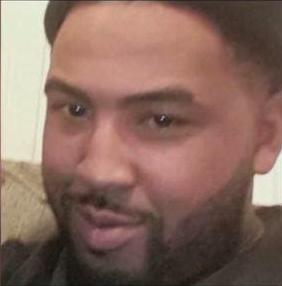
On the evening of July 22, 2016, a violent incident unfolded in Detroit, Michigan, claiming the life of 58-year-old Charlie Ferguson. The male victim was at his residence when he became the target of a fatal shooting. Law enforcement officers were dispatched to the scene following reports of gunfire, where they discovered Ferguson outside his home suffering from gunshot wounds.
Despite emergency response efforts, he succumbed to his injuries, marking another tragic loss in the city's ongoing struggle with gun violence during that summer.
Detectives from the Detroit Police Department launched an immediate homicide investigation to piece together the circumstances leading up to the shooting. Preliminary reports indicated that Ferguson was outside his house when the attack occurred, though the specific motive remained unclear in the initial aftermath. Investigators canvassed the neighborhood for potential witnesses and evidence that could shed light on who was responsible for the crime. The case was highlighted by local anti-violence advocates as part of a broader call to address the frequency of such shootings in the community.
As the investigation proceeded, information regarding a suspect or an arrest was not immediately made public by authorities. The case appeared to face the challenges common to many urban homicide investigations, where a lack of cooperating witnesses can hinder the swift identification of perpetrators. While police continued their work to track down leads, no specific individuals were publicly named as suspects in the days following the incident, and the case was added to the city's list of unsolved homicides for that year, leaving grieving family and community members awaiting answers and justice for Charlie Ferguson.