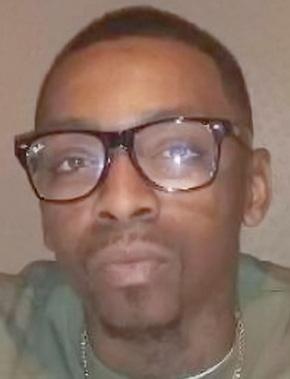
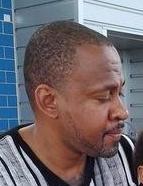
Omari Charlie Robinson was a 41-year-old Black man whose life revolved around a tight-knit slice of Detroit’s west side, where he was known to friends and customers as “Charlie O.” Most days he could be found outside the liquor store on Fenkell, near the Southfield Freeway, selling CDs and DVDs and chatting with people who passed through the parking lot.
Neighbors later told reporters that everybody knew him there, describing him as a good person, a familiar presence who brought energy to the corner and who was devoted to his three children.
On the night of September 1, 2016, Robinson followed his usual routine at the 5th Street/5th Avenue Liquor Store on Fenkell Avenue. At some point, he encountered two young men inside the store. What began as a disagreement inside spilled out into the parking lot, where tensions escalated quickly. According to investigators, the confrontation turned physical when Robinson struck one of the men over the head with a glass bottle. In the chaotic moments that followed, one of the men pulled out a gun and shot Robinson in the parking lot before fleeing. He was rushed from the scene to a nearby hospital, but doctors could not save him, and he was pronounced dead a short time later.
The killing stunned the neighborhood that had come to see Robinson as a fixture outside the store. Friends and residents spoke of how he came there every day, how his voice and laughter carried across the lot, and how his death would ripple through a community where “everybody knew him.” One friend, Rhonda Hart, told local television that his absence would deeply affect the area, while the mother of his children described a man who sold his CDs, had his drink, and largely kept to himself, insisting he was not someone who caused trouble. In the days that followed, his family held services in Detroit, and online obituaries and memorial pages remembered him simply as Omari Lateef Robinson Sr., born in February 1975 and gone far too soon on the first day of September 2016.
Detroit police moved quickly to release surveillance images from inside the liquor store, showing two men they identified as persons of interest in the shooting. Witnesses described the pair as young men who had been inside moments before the gunfire, then seen in an altercation with Robinson outside. Investigators said both men entered the store together and left just before the shots rang out in the parking lot. Another report noted that police were seeking two Black men in their twenties, describing the suspected shooter as having a light complexion, about 5 feet 9 inches tall and 150 pounds, wearing a white T-shirt, while the second man wore a black and blue shirt and was seen fleeing on foot. Crime Stoppers and local news repeatedly broadcast the surveillance video, urging anyone who recognized the men to come forward.
Despite the clear images, the pleas for witnesses, and the outpouring of grief from family and friends, publicly available records and news coverage do not show that anyone was ever arrested or charged in connection with Robinson’s death. The stories that remain accessible years later still frame the two men from the surveillance footage as suspects or persons of interest and continue to list police contact numbers for tips, with no follow-up reports announcing that the shooters had been identified, brought to trial, or convicted. As time has passed, Robinson’s memory lives on primarily through obituary notices, memorial pages, and the recollections of those who knew him outside that liquor store on Fenkell, while the case itself appears to remain unresolved, its central questions left hanging over the community that once saw him every day.