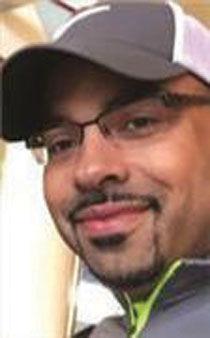
On a cold March day in Mount Pleasant, Michigan, the lives of the Davis family were irrevocably shattered. James Eric Davis, Sr., a 48-year-old Black man and a part-time police officer from suburban Chicago, had traveled to the campus of Central Michigan University with his wife, Diva. The couple was there on March 2, 2018, to pick up their 19-year-old son, James Eric Davis, Jr., and bring him home for spring break.
Unbeknownst to them, the visit to their son's dormitory, Campbell Hall, would be their last.
The day before the tragedy, the younger Davis had exhibited strange and erratic behavior. He had expressed fears to a residence hall officer that someone was trying to kill him. Concerned, campus police had taken him to a local hospital for an evaluation related to suspected drug abuse. His parents were notified and came to campus. After being released from the hospital on Friday morning, his parents went with him to his dorm room to help him pack. It was there that the unimaginable happened. Using a handgun registered to his father, Davis, Jr. fatally shot both of his parents.
Immediately following the shooting, a massive manhunt ensued. As the campus was placed on lockdown, more than 100 officers from various agencies searched for the armed and dangerous suspect. For nearly 16 hours, the community was on edge. The search came to an end shortly after midnight when a train conductor spotted a person near the railroad tracks on the north end of campus. Police responded and arrested Davis, Jr. without incident. He was found to be suffering from hypothermia and was not making sense when he was taken into custody.
In the aftermath, James Eric Davis, Jr. was charged with two counts of open murder and a felony firearm charge. His legal journey, however, took a different path than a typical murder trial. After an initial period where he was found incompetent to stand trial, he eventually entered a plea of not guilty by reason of insanity. Following psychiatric evaluations, a judge ruled that he was mentally ill at the time of the killings. This decision meant there would not be a criminal trial. Instead, he was committed to a state psychiatric facility for an indefinite period, bringing a somber conclusion to a case that began as a family visit and ended in a devastating double tragedy.