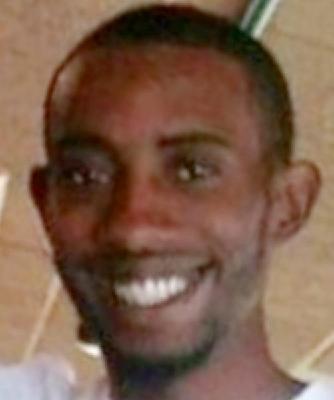
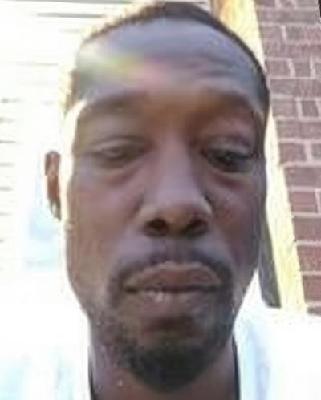
In the summer of 2018, the life of 34-year-old Rodney Ellis Harden, a Black/African American male, was tragically cut short in Flint, Michigan. His death was part of a grim discovery that unfolded on July 12, when his body, along with that of 19-year-old Tedmundo Meeks, was found in the Flint River. A fisherman investigating a door floating in the water near the I-475 overpass made the initial finding, which led to the recovery of both victims and the launch of a double homicide
investigation.
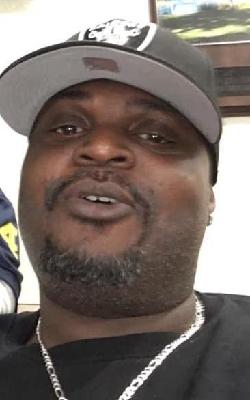
The subsequent police work led to the apprehension of three individuals connected to the murders. The suspects were identified as 16-year-old Cheveyo Molina, 24-year-old Robert Wheeler Jr., and 47-year-old Melinda Kelly. Investigators uncovered evidence suggesting a premeditated effort to dispose of the bodies, including the discovery of a freshly dug, grave-sized hole near the Flint River Trail, approximately 50 feet from where the men were found.
The legal process brought a series of charges against the three suspects. Cheveyo Molina was charged with two counts of first-degree murder and felony firearm use. Robert Wheeler Jr. faced charges of first-degree murder, evidence tampering, and felony firearm use. Melinda Kelly was charged with tampering with evidence and being an accessory after the fact to a felony.
Ultimately, the cases against the primary suspects were resolved through plea agreements. Cheveyo Molina pleaded guilty to a reduced charge of second-degree murder and was sentenced to 20 to 30 years in prison. Robert Wheeler Jr. also accepted a similar plea deal and awaited his sentencing. These legal outcomes brought a measure of closure to the violent and tragic deaths of Rodney Harden and Tedmundo Meeks.