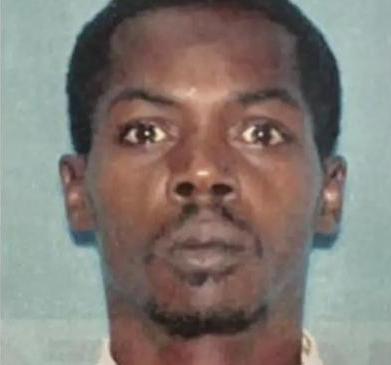
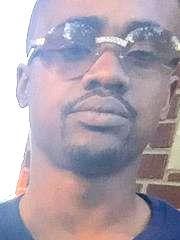
In the early hours of February 22, 2020, a call pulled Detroit police to the 20 block of Minnesota Street, near John R, where a vacant building sat dark and quiet. In a back room, officers found Eugene Jennings, 36, a Black male, dead from a gunshot wound—another life ended behind boarded-up walls, in a place that looked forgotten until it became a crime scene.
As daylight spread across the neighborhood, the details that surfaced were sparse but heavy: the discovery time, the vacant structure, the gunfire, and the sudden finality. Police said the killing was under investigation and that no suspects were in custody in the immediate aftermath, leaving only the unanswered questions that settle in when the shots are long gone but the fear and grief remain.
Two nights later, the emptiness around that corner filled with people who refused to let Jennings be reduced to a statistic. Loved ones gathered outside the same vacant home where the body had been found, holding candles and speaking about the person they knew—someone described as selfless and central to the family’s life. In the middle of winter, the vigil became a kind of witness statement of its own: not about what happened inside the building, but about what was lost when Jennings didn’t come home.
Behind the scenes, investigators were already looking at the killing through the wider lens of a violent streak that had metro Detroit on edge. U.S. Marshals and local agencies were hunting Kenyel Brown, and authorities said the Minnesota Street homicide was among the incidents tied to that urgent search. A reward was publicized, and officials warned that Brown had a pattern of working his way into people’s spaces—befriending individuals who let him inside—while also suggesting that anyone helping him evade capture could face consequences as an accomplice.
The manhunt turned on an ordinary sighting. Police said Brown was spotted near Eight Mile, and a tip from an employee at an adult bookstore helped authorities narrow his direction of travel into Oak Park. What followed was a fast-moving pursuit through backyards and fences; when officers closed in, Brown shot himself in the head. He was taken to a hospital in critical condition, later declared brain dead, and died days after the confrontation—ending the possibility of a courtroom accounting for the people authorities believed he had killed.
In terms of arrests and charges, the public record from that week centered on Brown’s spree rather than a completed prosecution for the Minnesota Street homicide. The Wayne County Prosecutor’s Office announced charges against Brown connected to the River Rouge killings and a non-fatal shooting, including first-degree premeditated murder counts and multiple firearm-related charges. At the same time, the prosecutor’s office acknowledged receiving a warrant request from Detroit police relating to the February 22 Minnesota Street incident; it was described as under review as events were unfolding. With Brown’s death soon after, there was no trial and no conviction tied to Jennings’ killing in the reporting from that period, even as police described Brown as the key figure in the wider string of homicides.
The aftermath carried a second, bitter storyline: how Brown had been on the street at all. Reporting at the time described Brown as a federal informant and detailed allegations that probation violations and warnings about risk did not keep him behind bars. Officials, including federal authorities, publicly acknowledged the need to examine how Brown’s status and supervision intersected with the violence that culminated in deaths like Jennings’. For Jennings’ family and community, the questions weren’t abstract—each one circled back to that vacant building on Minnesota Street, and to the moment a life was taken with no chance for last words.