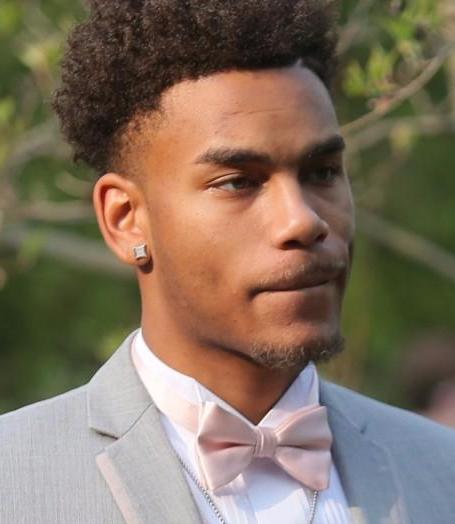
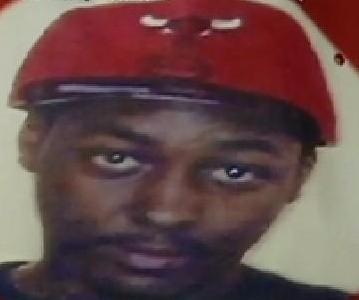
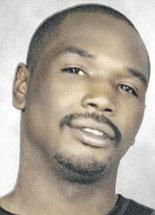
Travontae Brown, 23, a Black male from Kalamazoo, Michigan, was killed by gunfire on May 14, 2020, in a burst of violence that erupted on the city’s Northside near the intersection of Bessie Street and Princeton Avenue. In the middle of the day, the sound of shots drew a rapid police response to the area, turning an ordinary neighborhood block into an active crime scene.
When officers arrived, they encountered the aftermath of the shooting and began working to secure the area and render aid, but Brown’s injuries proved fatal.
The killing did not unfold in isolation. It happened in a pocket of the Northside that would remain tense in the days that followed, with investigators trying to piece together what led up to the gunfire and who pulled the trigger. The scene around Princeton and Bessie became a focal point for attention and fear, as people nearby tried to understand how a young man could be shot and not survive. In the immediate aftermath, the sense of uncertainty lingered, with the community left waiting for answers while the investigation moved forward.
About a week later, the same area was again shaken by reports of gunshots—this time in the early morning hours. Shortly after 3 a.m. on Thursday, May 21, 2020, public safety officers were dispatched to Bessie Street and Princeton Avenue after numerous calls of shots fired, a location noted as the same area where Brown had been killed roughly a week earlier. As officers were responding, they heard additional gunshots coming from the 1700 block of Union Street, less than a mile away, widening the scope of what initially sounded like a single incident.
First responders canvassed and searched for signs of what had happened in the darkness. Their sweep led them to a residence where they found several spent bullet casings on a back porch, the kind of small, metallic evidence that can tell a larger story about who was there and what they were doing moments before. With that discovery, the response shifted from a patrol call to a more intensive investigation. Authorities obtained and executed a search warrant at the home, and during that search they seized three firearms.
The gunfire that morning also led to an arrest. A 33-year-old Kalamazoo resident was taken into custody on several charges related to the incident connected to those shots fired, though no injuries were reported and no further details were released at that time. The seizure of weapons and the detention of a suspect underscored the volatility surrounding the neighborhood in the period after Brown’s death, even as it remained unclear how directly the later arrest and gun seizure connected to the earlier homicide.
In the wake of these back-to-back episodes of gunfire, investigators urged anyone with information about the shooting that killed Brown, the later shots fired, or any related violence in Kalamazoo to come forward. For people living near those streets, the events were not just entries in a police log—they were nights interrupted by sirens, days marked by caution, and the heavy knowledge that the city was still trying to untangle who was responsible for the killing and what chain of choices and conflicts led to the moment Travontae Brown did not make it home.