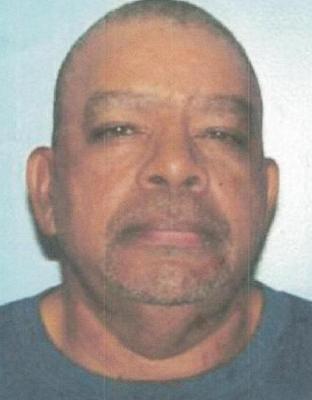
On the morning of August 13, 1955, the grounds of the Lincoln County Courthouse in Brookhaven, Mississippi, became the setting for a violent confrontation tied to the region's heated political climate. Lamar "Ditney" Smith, a 63-year-old Black male and World War I veteran, had traveled to the courthouse to assist others in casting absentee ballots for an upcoming runoff election.
As a dedicated civic organizer, he was actively working to unseat the incumbent county supervisor and believed that utilizing absentee ballots would allow voters to participate without facing the intimidation and danger often present at physical polling sites.
While he was occupied with this work on the courthouse lawn, he was approached by three men identified as Noah Smith, Mack Smith, and Charles Falvey, all of whom were supporters of the incumbent candidate. The encounter quickly escalated from a verbal dispute into a physical altercation in full view of numerous bystanders. During the struggle, Noah Smith allegedly drew a. 38-caliber pistol and shot the activist at close range. The wound proved fatal, and the victim collapsed and died on the courthouse grounds before he could receive medical attention.
Local authorities, including the sheriff who reportedly saw Noah Smith leaving the scene with blood on his clothes, arrested the three men. Noah Smith, Mack Smith, and Charles Falvey were taken into custody and identified as the primary suspects in the murder. A coroner's jury initially ruled that the death was the result of a gunshot wound sustained during an altercation with the three suspects and potentially other unknown parties. Despite these arrests and the public nature of the crime, the pursuit of justice faltered in the legal system. When a grand jury convened to consider indictments, witnesses refused to testify, claiming they had not seen the shooting occur. Consequently, the grand jury failed to return any indictments, and the suspects were released. A second attempt to prosecute the case the following year yielded the same result, leaving the crime unpunished.