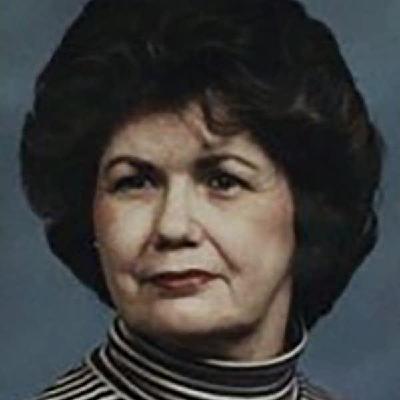
On a tragic summer morning in Winona, Mississippi, the quiet routine of a downtown furniture store was shattered by brutal violence that would haunt the small town for decades. On July 16, 1996, Carmen Rigby, a 45-year-old female employee at Tardy Furniture, was found shot and killed alongside three other victims. The horrific crime claimed the lives of the store's owner, Bertha Tardy, and two other employees, Robert Golden and Derrick 'Bobo' Stewart.
The discovery was made by a retired employee who had come to the store to train new hires, only to walk into a scene of unimaginable bloodshed. Each victim had been shot in the head.
The investigation into the quadruple homicide led law enforcement to a former employee, Curtis Giovanni Flowers. He was arrested in Texas, where he had moved after the murders. The case against Flowers was largely built on circumstantial evidence and witness testimony that would later come under intense scrutiny. What followed was an unprecedented series of legal battles, with Flowers being tried six separate times for the murders. The initial trials resulted in convictions and death sentences, but these were consistently overturned by the Mississippi Supreme Court due to prosecutorial misconduct. Two other trials ended in hung juries, with racial divisions often apparent among the jurors.
The relentless pursuit of a conviction against Flowers spanned over two decades, drawing national attention to the persistent efforts of the prosecution. Key to the prosecution's case was the testimony of a jailhouse informant who claimed Flowers had confessed to the murders. However, the credibility of this witness, and others, eventually crumbled. An investigation by the podcast 'In the Dark' uncovered significant issues with the state's case, including a recantation from the key informant who admitted to fabricating his testimony.
After spending nearly 23 years behind bars, Curtis Flowers was released on bail in December 2019. In September 2020, the Mississippi Attorney General's office filed a motion to dismiss all charges against him, citing a lack of credible evidence and the unavailability of key witnesses. The charges were dismissed with prejudice, meaning Flowers can never be tried for the murders again, leaving the tragic deaths at Tardy Furniture officially unsolved. The families of Carmen Rigby and the other victims were left without the justice they had sought for so long.