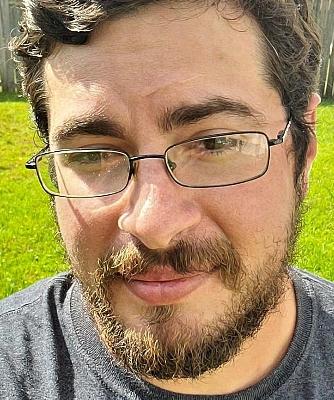
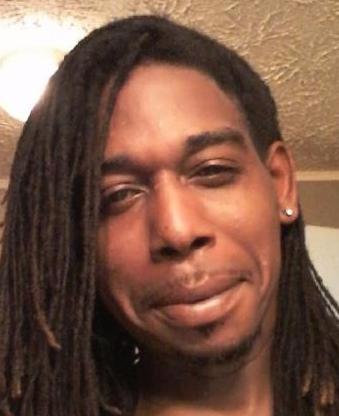
On a Thursday in mid-November 2013, Daun Chanceller Burns, 39, was at home in Vancleave, Mississippi, the small community where he had built a life rooted in family and routine. He had once worked at Keesler Air Force Base, leaving that job in 2006, and those who knew him remembered a quiet man who loved spending time with his relatives and doted on his pit bulls.
His world was closely tied to Gulf Coast family networks: a devoted mother, siblings, grandparents, and two sons, Elias Burns and Thierre Moore, as well as a long-time partner described in his obituary as his “soul mate” of seven years.
On November 14, 2013, that family center shifted into a scene of sudden violence. At a house on Fox Bridge Drive in Vancleave, Daun’s 22-year-old son, identified by authorities as Phierre Moore, came to his father’s home, and what began as an argument in the yard escalated rapidly. According to Jackson County Sheriff Mike Byrd, the dispute was part of an ongoing conflict between father and son; Daun’s wife told investigators that tensions between them had existed for some time. In the course of that confrontation, Moore took a 12-gauge shotgun and fired at his father, striking him in the upper chest. Neighbors and deputies would later find Daun lying in the front yard where he had fallen, mortally wounded.
Inside the house, the violence turned inward. After shooting his father, Moore went back into the home, and when deputies entered, they found him on the floor with a self-inflicted gunshot wound. The same shotgun used on Daun had now been turned on its owner. Emergency responders first flew Moore to Ocean Springs Hospital and then transferred him to the University of South Alabama Medical Center in Mobile, Alabama, where he was listed in critical condition. Daun died at the scene from the wound to his chest; later entries on the National Gun Violence Memorial would simply record him as one of the Americans “lost to gun violence” on that November day in Vancleave.
As the family prepared for Daun’s funeral service at Forrest Heights Missionary Baptist Church in Gulfport and his burial at Monroe Memorial Park, official questions lingered around what had transpired between father and son in the moments before the shotgun was raised. The sheriff’s office publicly framed the shooting as a domestic dispute that ended in a murder–attempted suicide, emphasizing that investigators still had “a lot of unanswered questions” and would continue to probe the circumstances and motive.
In terms of legal fallout, the public record is notably thin. From the initial reporting, Moore was treated as the sole suspect: the person identified by name as having shot his father and then himself. Because he was hospitalized in critical condition, there was no immediate mention of a formal arrest at the scene, and contemporary news coverage does not describe specific criminal charges being filed or any later trial tied directly to the killing. Subsequent years show no widely reported court proceedings or convictions in the local press related to Daun’s death; later arrest and jail-booking records for people with similar names in Mississippi document only minor offenses such as trespassing or public intoxication and make no reference to a homicide case stemming from the Vancleave shooting.
What remains in the written record, then, is a starkly simple but emotionally heavy outline: a man remembered by his family as gentle and devoted, a long-simmering conflict between father and son, a shotgun in a quiet yard on Fox Bridge Drive, and an investigation whose final legal outcome never clearly surfaced in the public eye. Between the warm details of Daun’s obituary and the clinical language of the police account lies the story of a family permanently changed in a single November evening, with grief, guilt, and unanswered questions left to those who survived.