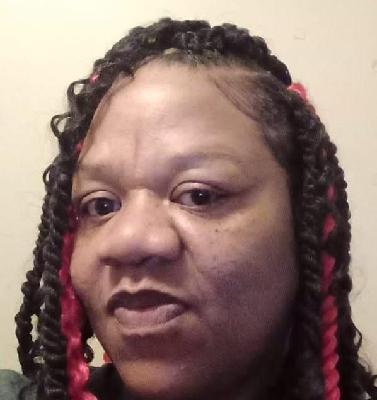
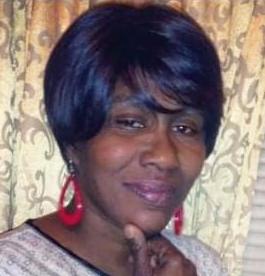
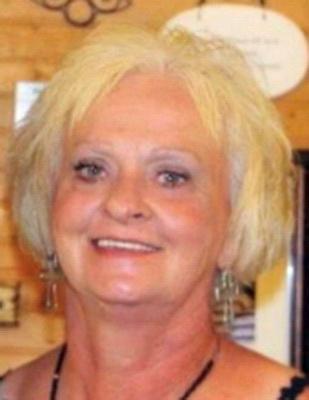
Belinda Rechell Walker, a 42-year-old white woman from Magee, Mississippi, spent most of her life woven into the fabric of a small Southern community where family ties ran deep and familiar faces were never far away. Born in October 1971, she was “of Magee” in every sense, but her roots stretched a little farther south and east across Mississippi, with close family in towns like Richton and Ovett.
On Sunday, January 26, 2014, that quiet life ended inside her own home, where she was found dead, and where official records later noted simply that she died at her residence.
The loss was not from illness or accident. Memorial listings and national gun-violence records remember Belinda specifically as a victim of gunfire, noting that she was “lost to gun violence” in Magee on that January day. It was the kind of violence that feels especially intimate and shocking in a town where people know each other’s names and histories, and where a death inside a modest country home carries the weight of both tragedy and betrayal. Responding officers found a scene that would be investigated not as a medical emergency, but as a homicide inside a family dwelling.
In the aftermath, attention turned quickly to the man closest to her. An incident summary compiled by the Gun Violence Archive lists Belinda as the victim and identifies her significant other, Paul Walker, an adult male, as the subject-suspect in the case. The same record notes that he was not physically injured and that his status at the time was “arrested,” marking him as the person taken into custody when authorities responded to her death. The relationship field in that record describes the connection between victim and suspect as intimate partners—current or former—which situates the shooting squarely within the sphere of domestic violence.
Later online memorials that collect news references about gun-related killings point back to local coverage describing a Magee man charged with murder in the shooting death of his wife, a brief line that aligns with Belinda’s case and has since been cited as the primary news account of what happened inside that home. But those fragments of reporting, preserved only in summary form, do not spell out what led to the gun being fired, what was said in the minutes before the shots, or how the legal proceedings ultimately ended. Publicly accessible online records stop after the initial arrest and the reference to a murder charge, leaving the outcome of any later hearings, plea negotiations, trial, or sentencing obscured by time and the limits of small-circulation local news.
Even as the legal trail fades in the public record, the picture of Belinda as a daughter, mother, and sister is clearer in the obituary and cemetery notice prepared by her family. Those tributes remember her as the daughter of Deborah Pitts Bradshaw, who survived her, and note that she had already endured the loss of a son, Presley, before her own death. They describe another son, Waylon, left behind in Ovett, along with brothers and a sister scattered between Mississippi and Texas, a cluster of nieces, and extended family who carried her memory forward. Funeral services were held in early February 2014 at Ellisville Funeral Home, with ministers officiating and pallbearers drawn from the circle of men who had known her in life; afterward, she was laid to rest in Ellisville City Cemetery, miles from the house where she died but still within the landscape she had called home.
For Belinda’s family, the story does not end with the note that she was one entry in a database of gun deaths, nor with the bare procedural language that lists a partner arrested and charged. It is a story of a woman whose life was rooted in south Mississippi, whose final moments unfolded in the supposed safety of her own residence, and whose homicide is now preserved in fragments: an incident number, a few lines in an archive, a mention of a murder charge, and a gravesite where those who loved her still have a place to stand when they say her name.