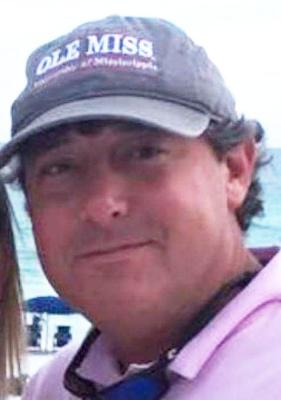
On a Tuesday in mid-June 2016, David Conger Parker, a 57-year-old man from the Carrollton area of Carroll County, Mississippi, died at his home just outside the small town. Local notices later recorded that his death occurred on June 14, 2016, tying the date, the rural community and his name together in a brief line that offered few clues about what had happened, only that his life had come to an end at his own residence near Carrollton.
Those same death notices sketched out the barest outline of his life. Parker was born in Winona, Mississippi, on April 23, 1959, the son of William Conger and Martha Sue Dill Parker, anchoring him firmly in the small web of towns that dot this part of the state. As an adult he worked as a self-employed painter, a trade that suggests years spent on ladders and scaffolds, moving from job to job under the Mississippi sky, even though the public record limits itself to that single description of his occupation. When he died, arrangements were handled by a funeral home in nearby Winona, and one obituary noted that a private memorial service would be held later, hinting at mourning carried out quietly, away from public view.
Beyond the funeral notices, Parker's name surfaces in national efforts to document every life lost to shootings in the United States. Gun-violence tracking sites list him as having been “lost to gun violence” in Carrollton, Mississippi, on June 14, 2016, and connect his entry to a regional radio station and to the Gun Violence Archive as underlying sources. The way he is cataloged there makes clear that a firearm was involved in his death, but those databases add no narrative—no description of where in or around the home the shooting occurred, who else was present, or how quickly help arrived.
What is striking in the public record is how much is not said. The obituaries and memorial listings do not state a cause or manner of death; they do not specify whether the shooting was ruled a homicide, an accident, or self-inflicted. Searches of available local and state news archives reveal no detailed news story about an investigation, no police statements naming a suspect, and no follow-up reports of an arrest, indictment, trial, or conviction linked to Parker's death. In that silence, his case stands apart from higher-profile killings that generate headlines and court coverage: here, the official documents that are easily accessible to the public remember a man rooted in Carroll County, outline his birth, his parents, his trade, and the date his life ended, and then fall quiet about the shot that took him and about anyone who might have been held responsible.