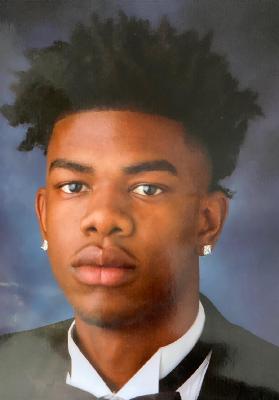
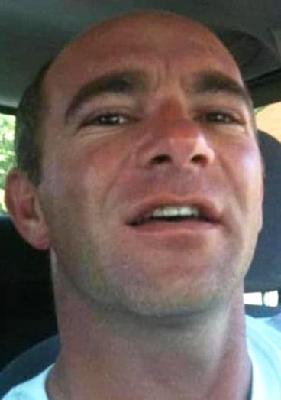
Glenn E. Todd was a 63-year-old man from Tylertown, Mississippi, whose life ended abruptly in early March 2018. On March 8 of that year, his name was added to the small but solemn list of people in Tylertown recorded as having been lost to gun violence, a list that tracks only the barest facts of each life: a name, an age, a date, and the town where everything stopped.
His entry on that memorial quietly marks the day he died and places him in the middle-aged bracket of victims, but offers no details about his work, his family, or the routines that once filled his days. Instead, it leaves the impression of a man whose story is now mostly carried in private by those who knew him, while the public record reduces him to a line in a roll of the dead.
The circumstances around his death unfolded during a grim week for the Tylertown community. Within days of each other, two residents from the same small town—Glenn and 23-year-old Nicholas A. Rome—would appear on the same memorial site as victims of gun violence, their deaths recorded only days apart in March 2018. Local reporting from that time, as summarized in online references, described county authorities in Walthall County investigating two apparent self-inflicted deaths that occurred on separate mornings that week, a rare and unsettling pattern for a rural county where news usually moves more slowly. The language used in that coverage underscored how sudden and shocking these losses were: deaths involving firearms that, at least in initial accounts, seemed to have been inflicted by the victims themselves, leaving officials to piece together what had happened and families to grapple with the aftermath.
Publicly accessible records about Glenn’s death remain strikingly sparse. The memorial entry that confirms his age, date of death, and Tylertown residence links only to a general note that the case was reported in local news and logged by the Gun Violence Archive, with no accompanying narrative about an assailant, a confrontation, or a wider criminal investigation. Unlike other shootings in Walthall County that generated follow-up stories about suspects, arrests, and court proceedings, there are no readily available articles describing anyone being sought, named, or charged in connection with his death. Online, his case appears not in the context of an ongoing homicide prosecution but as one of the quietly cataloged gun deaths that officials acknowledged and investigated at the time, then left with no public record of criminal responsibility.
In the years since, Glenn’s story in the public eye has remained almost frozen in place: a brief entry on a memorial site, a date, a town name, and a reminder that another life ended with a firearm in a community small enough that nearly everyone would have felt the ripple. Visitors are invited to light virtual candles for him, to add memories or photographs if they have them, suggesting that the richer, more personal details of who he was—what he loved, whom he cared for, how he moved through that quiet Mississippi town—now live mostly off-line, in family stories and private grief rather than in news archives. From what can be seen in open sources, there have been no reported suspects, arrests, trials, or convictions tied to his death, leaving it recorded in public memory not as a solved crime but as a stark, largely unexplained loss to gun violence in Tylertown.