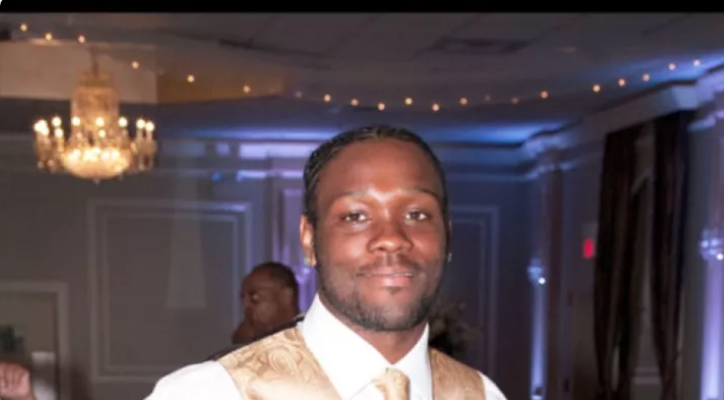
Montreal Montgomery, a 17-year-old male, was fatally shot in Chicago on November 21, 2010. His death was one of many violent incidents that occurred during a particularly challenging period for Chicago, as the city struggled with a significant wave of homicides, particularly involving young victims. Montgomery was among several teens caught in the cycle of violence that plagued parts of Chicago, particularly on the city's South and West Sides.
The details of Montgomery's homicide illustrate the prevalent issues of gun violence and youth vulnerability in Chicago during this period. The crime occurred in a community that faced significant challenges including poverty, a lack of youth engagement opportunities, and limited access to quality education—all of which contributed to the atmosphere of violence. The investigation into Montgomery’s death highlighted the challenges faced by law enforcement in addressing gang activity and retaliatory violence, which were common causes of homicides in many neighborhoods across Chicago at that time.
The homicide was part of a broader trend that saw a worrying number of violent deaths among teenagers in Chicago during the late 2000s and early 2010s. Community leaders and residents expressed concern over the inability to curb such violence, often attributing it to both systemic issues like economic disparities and the influx of illegal firearms. Despite various policing initiatives and community intervention programs, such tragedies continued to impact the lives of families across the city, contributing to the ongoing trauma faced by many of its communities.
Montgomery’s death underscored the need for a multifaceted approach to addressing youth violence, including greater community investment, mentorship opportunities, and effective intervention programs. It also served as a call to action for both community leaders and policymakers to focus on creating safer environments for Chicago's youth, especially in areas hardest hit by socio-economic disadvantages and crime.