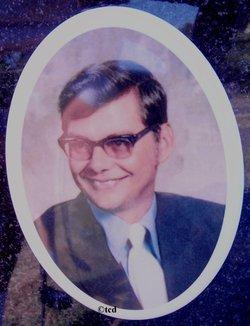
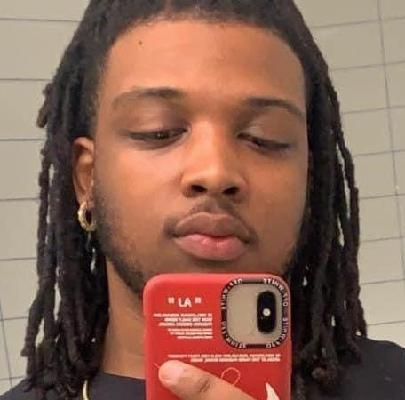
On a summer evening in 1999, Paul Howell, a 45-year-old man, was returning to his parents' home in Edmond, Oklahoma, after a back-to-school shopping trip with his two young daughters and his sister. As he pulled into the driveway, the joyous outing turned into a scene of unimaginable horror. A man wearing a red bandana over his face approached the family's Suburban, shot Paul Howell in the head, and then stole the vehicle.
The brazen and violent act left a family shattered and a community in shock. Howell's sister, an eyewitness to the tragedy, was able to provide a description of the assailant to the police, noting the red bandana, a white shirt, and a stocking cap.
The investigation into the murder of Paul Howell quickly led law enforcement to two young men, Julius Jones and his friend, Christopher Jordan. The stolen Suburban was found parked near an auto body shop, and the shop's owner informed police that two men had tried to sell him the vehicle. This lead pointed the investigation towards Ladell King, an acquaintance of Jones and Jordan, who eventually implicated both men in the crime. The subsequent search of Jones' parents' home uncovered a. 25 caliber handgun wrapped in a red bandana hidden in the attic above Jones' bedroom closet. Ballistics testing later confirmed this to be the murder weapon.
The case against Julius Jones was built on the testimony of his accomplice, Christopher Jordan, who had agreed to testify in exchange for a plea deal and a reduced sentence. Jordan identified Jones as the triggerman, a claim that was central to the prosecution's case. Jones was arrested on July 31, 1999, and subsequently charged with the murder of Paul Howell. Despite maintaining his innocence and asserting that he had been framed by Jordan, Jones was convicted of first-degree murder in 2002 and sentenced to death. In the years following his conviction, Jones' case has garnered significant attention, with his supporters pointing to alleged inconsistencies in the evidence and claims of a flawed trial. Several individuals who were incarcerated with Jordan have since come forward stating that he confessed to the murder and to framing Jones. Jordan, who was released from prison in 2014, has maintained through his lawyer that his trial testimony was truthful and that he was an accomplice to Julius Jones.