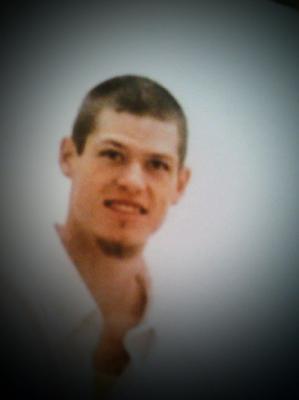
In the days leading up to Thanksgiving in 2001, Robert Dale 'Rob' Andrew, a 39-year-old advertising executive from Oklahoma City, harbored a growing sense of dread. He had recently discovered that the brake lines on his car had been deliberately cut and had shared his fears with the police, naming two people he believed were responsible: his estranged wife, Brenda, and her new lover, James Pavatt, who was also the family's insurance agent.
Andrew had even taken steps to remove Brenda as the beneficiary of his $800,000 life insurance policy, a policy that Pavatt had helped arrange. His premonition of danger would tragically prove to be accurate.
On the evening of November 20, Andrew went to his estranged wife's home to pick up their two young children for the holiday weekend. Brenda asked him to come into the garage to help light the pilot light for the furnace. As he entered the garage, he was ambushed and fatally shot with a 16-gauge shotgun. A call to 911 was made by Brenda, who had sustained a superficial gunshot wound to her arm. She told the operator that she and her husband had been attacked by two masked intruders who had then fled the scene. The couple's children were found inside the house, physically unharmed.
The initial story of a home invasion quickly unraveled as investigators focused on the turbulent relationship between the Andrews and the affair between Brenda and James Pavatt. Suspicion mounted when Brenda Andrew and her two children failed to appear at her husband's funeral. Instead of mourning, she and Pavatt had vanished. Their flight from justice was a brief one; after several months, the money ran out, and they were apprehended in February 2002 as they attempted to cross the border from Mexico back into the United States.
Once in custody, both Brenda Andrew and James Pavatt were charged with first-degree murder and conspiracy to commit murder. Prosecutors built a case arguing that the pair had conspired to kill Rob Andrew for the insurance money. In 2004, separate juries found both of them guilty. During his trial, Pavatt admitted to being the gunman but insisted that Brenda had no part in the murder. Despite his confession, the prosecution maintained that Brenda was the mastermind behind the deadly plot. Both she and Pavatt were sentenced to death for their roles in the killing. Brenda Andrew became the only woman on death row in Oklahoma, her case later drawing scrutiny from the U.S. Supreme Court over the trial's intense focus on her character and personal life.