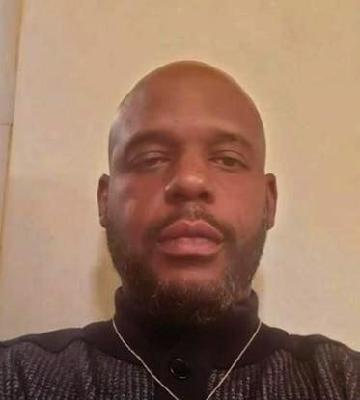
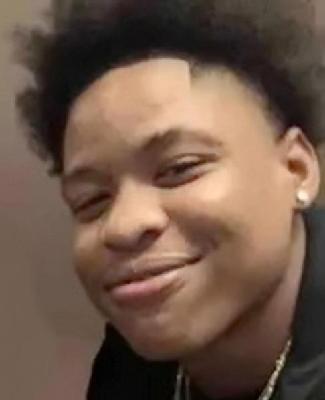
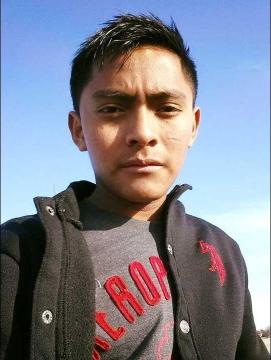
In the early hours of March 1, 2014, the life of 30-year-old Zachary Bowie, a Black/African American male from Spencer, Oklahoma, was tragically cut short in a senseless act of violence outside a downtown Oklahoma City nightclub. The incident unfolded in the bustling Bricktown area, a popular entertainment district, where Bowie was enjoying a night out.
Trouble began inside Club Social when a patron, later identified as Christopher Calvin Benson, was ejected by security personnel.
Agitated and making threats as he was escorted out, Benson left the immediate vicinity only to return a short time later, this time armed with a firearm. In a horrifying turn of events, Benson opened fire into the crowd gathered outside the club. Zachary Bowie was struck by the gunfire. Emergency services were quickly on the scene, and he was rushed to OU Medical Center, but his injuries proved to be fatal, and he was pronounced dead.
The Oklahoma City Police Department launched an immediate and thorough investigation into the city's sixth homicide of the year. Investigators released surveillance images to the public showing the man believed to be the shooter and a woman who was with him, seeking assistance in their identification. The public's help proved crucial, and Christopher Calvin Benson was soon identified as the primary suspect.
Following his identification, an arrest warrant was issued, and Christopher Calvin Benson was taken into custody. He was subsequently charged with the murder of Zachary Bowie. The legal proceedings culminated in Benson's conviction for second-degree murder. For his role in the death of Zachary Bowie, he was sentenced to 32 years in prison. An appeal of his conviction in 2017, based on claims of insufficient evidence and prosecutorial misconduct, was ultimately denied by the Oklahoma Court of Criminal Appeals, upholding the original verdict and sentence.