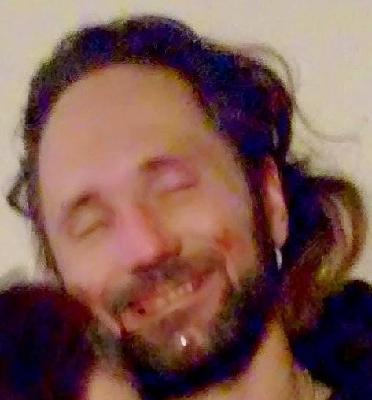
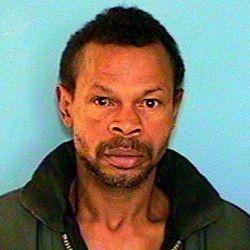
Michael Hedges, a 57-year-old man from Phoenix, Arizona, enters the public record in the spare language of a single obituary notice: a name, an age, a city, and the simple statement that he “passed away” on June 18, 2011. The brief line was published in The Arizona Republic almost four weeks later, in mid-July, giving only the essentials and none of the usual constellation of details that so often surround a death—no list of relatives, no mention of work or hobbies, no hint of the life
that preceded that final date. Instead, the notice directs anyone who has information about him to contact La Paz Funeral Home, an unusual appeal that stands in for the family voices that are typically present in such announcements.
That single sentence is the heart of what is publicly known. It establishes that Michael lived, or at least last resided, in Phoenix and died there in early summer, but it does not say where he died, how he died, or who, if anyone, stood at his bedside. There is no online record of a longer obituary expanding on his story, no accompanying memorial page filled with photographs or recollections, and no obvious trace of church services, graveside rites, or other public ceremonies noted in the same announcement. The line asking for “any information regarding this person” suggests that those handling his arrangements were seeking help simply to learn more about who he was—an echoing reminder that even in a crowded city, someone can reach the end of life with few documented ties.
Beyond that obituary, his name does not appear in widely available news reports as the subject of a featured crime story, and there are no readily accessible online articles from local media or law enforcement describing the circumstances of his death. No public statements from police link his name to a homicide investigation, and there are no reports of suspects, arrests, charges, or court proceedings tied to his passing. In the available online record, Michael Hedges is not followed by the usual progression of crime-related updates—no person of interest named, no appeals for witnesses, no later mention of a trial or conviction that might close the loop.
What remains, instead, is a kind of silence around him. The date of his death is fixed; the brief notice in the newspaper shows that some effort was made to mark his passing and to learn more about him; but the larger story of who he was, how he died, and whether anyone was ever held responsible—if responsibility was even at issue—does not surface in accessible public sources. In that sense, the mystery is not of a well-documented crime with elusive suspects, but of a man whose final chapter is recorded only as a minimalist entry in the obituary pages, leaving strangers to wonder about the life that lay behind those few printed words and the unanswered questions they imply.