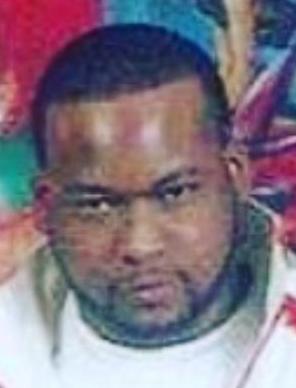
On April 11, 2011, Ricardo E. Ortega, 31, was found fatally shot near the intersection of Schubert and Albany in the Logan Square neighborhood of Chicago. Responding to reports of gunfire in the early hours of the morning, police discovered Ortega with gunshot wounds, including injuries to his shoulder and elbow. He was pronounced dead at the scene. The area was known for occasional violent crime, but those close to Ortega have asserted that he was not affiliated with any gangs, contrary to assumptions that sometimes follow shootings in the area. Friends and family described Ortega as someone who cherished his family and had no known ties to organized crime.
The circumstances surrounding Ortega's death remain uncertain, with limited information available regarding potential suspects or the motive behind the shooting. Witnesses and community members voiced their frustration over the loss, characterizing him as an innocent victim rather than an active participant in gang-related activity. His death underscored the ongoing struggles within certain Chicago neighborhoods where violence is a persistent concern, despite victims sometimes being individuals not involved in any form of criminal lifestyle.
The broader context of Ricardo Ortega’s homicide reflects the difficult landscape of Chicago during 2011, a year marked by numerous incidents of violent crime across the city. According to data from the Chicago Police Department's 2011 Murder Report, many of the city’s homicides involved disputes that escalated violently, often involving firearms. Ortega's death became part of these troubling statistics, but his family continued to advocate for recognition of his positive character, emphasizing his love for his community and his peaceful disposition. The incident highlights the challenges law enforcement faced in managing violence, while community voices emphasized the impact on victims’ families and neighborhoods.