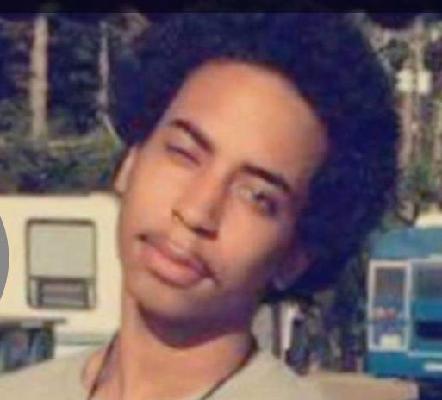
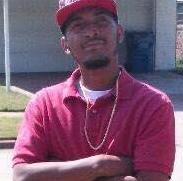
On a cold Thursday evening in early January 2015, traffic along Southwest 25th Street and South May Avenue in Oklahoma City moved as usual until a brief, angry encounter between drivers pulled Kevin Gramajo, a 16-year-old male from the city, into a moment that would end his life. What began as a road dispute in south Oklahoma City escalated into a deadly confrontation, turning an ordinary night into the center of a homicide investigation and a courtroom battle that would stretch on for years.
Around 7:45 p.m. on January 8, witnesses began calling 911 to report that someone in a silver sports car was firing shots at another vehicle as the two traveled through southwest Oklahoma City. When officers arrived near the intersection of Southwest 25th and May, they found Kevin’s vehicle partially off the road, its windows damaged and the quiet of the evening broken by emergency lights. Inside, he had been struck by gunfire. Paramedics rushed him to OU Medical Center, where doctors fought to save him, but he was soon pronounced dead. A forensic pathologist later determined that he had been killed by a gunshot wound to the head, confirming what the bloody interior of the car already suggested. Investigators came to believe the shooting was not random but the culmination of a road rage altercation that had unfolded moments earlier when the vehicles stopped at a light.
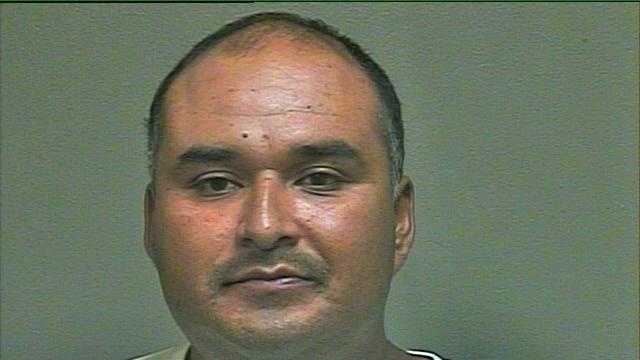
In the days that followed, police pieced together what witnesses had seen. According to court documents and affidavits, a car carrying two men pulled up alongside Kevin’s vehicle; a shot was fired directly into his car. As he tried to drive away, a second shot followed, tearing through the back windshield and striking him. The silver car sped off, but not for long. Officers from the Oklahoma City Police Department’s Gang Task Force located a matching vehicle within minutes. The two occupants, identified as 44-year-old Samuel Powell and 18-year-old Harold Allen, tried to run on foot before they were taken into custody. Inside their vehicle, officers found a rifle. A medical examiner reported that the wound and fragments recovered from Kevin were consistent with a rifle round, tying the weapon to what had happened on that dark stretch of road. Both Powell and Allen were booked into the Oklahoma County Jail and initially faced first-degree murder charges connected to the killing.
As detectives continued to investigate, the shooting was formally framed as a road rage case. In court filings, prosecutors described the incident as beginning with a heated exchange at a traffic light in south Oklahoma City, where hostile and racially charged comments were allegedly traded before the vehicles pulled away and the gunfire erupted. The case against Powell eventually went to trial under the title State of Oklahoma v. Samuel Max Powell. Prosecutors argued that he was the one who shot and killed Kevin with a shotgun during the confrontation, while Powell took the stand to claim that another person in his own vehicle had fired the shots. Jurors heard that the violence on the street was the fatal end of what had begun as an exchange of words between strangers in traffic. In 2016, the jury rejected Powell’s account and found him guilty of first-degree murder, recommending that he spend the rest of his life in prison.
Kevin’s name joined the long, quiet list of victims remembered on gun-violence memorial pages and case-tracking sites, which recorded him simply as a teenager from Oklahoma City lost to gunfire on January 8, 2015. Friends and acquaintances who left messages online painted a picture of someone described as humble, respectful, and loving, a boy who smiled through his problems and showed up for the people around him. Virtual candles lit beside his photo and brief notes about his schools and friendships became the fragments by which strangers could glimpse his life. The road where his car came to rest returned to its everyday traffic, but the story of that night continued in courtrooms and in the memories of his family and community, where his death stands as a stark reminder of how a passing eruption of anger on the road can suddenly, permanently change everything.