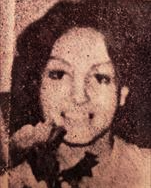
On an early October morning in 2016, Saira Mariosol Vasquez, a 30-year-old Hispanic woman from Tulsa, Oklahoma, was nearing the end of a long Sunday night shift at Bienvenidos Bar 7 De Copas, a modest neighborhood bar in north Tulsa. The place was the kind of late-night spot where regulars drifted in after work, sharing drinks and conversation while the rest of the city quieted down.
In the early hours of October 10, around 1 a.m., the bar was winding down when the calm of the room gave way to a confrontation that would end Saira’s life and that of her boyfriend and fellow bar manager, Adan Duran.
A relative of the couple was working as the bartender that night when a man inside the bar began making unwanted advances toward her. According to police, Saira stepped in between the man and the bartender and told him to leave, trying to defuse the situation and protect her family member. Adan joined her, backing her up as words were exchanged and tensions rose. What started as a typical late-night shift in a familiar bar had suddenly turned into a tense standoff, with staff and patrons watching as the man reacted angrily to being told he was no longer welcome.
In the close confines of the bar, the confrontation escalated with terrifying speed. Investigators later said the man drew a gun and opened fire on the couple before running from the scene. Officers were called just after 1 a.m., and when they arrived they found Saira and Adan fatally wounded inside the bar; there was nothing first responders could do to save them. Detectives learned that other people had been inside when the shooting started, but some had fled before officers arrived, leaving investigators to piece together what happened from the shaken witnesses who remained and from the physical evidence left on the blood-stained floor. The double killing would be recorded as the 56th and 57th homicides in Tulsa that year, a grim milestone that underscored how quickly violence could erupt in an otherwise ordinary setting.
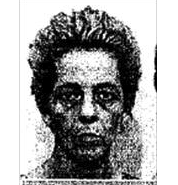
In the days that followed, police released a description of the gunman, and the case became a priority for Tulsa homicide detectives. The man was described as being of small stature, and witnesses told officers he had been inside the bar for hours before the shooting, watching and drinking as the night wore on. Months later, after further investigation, authorities named a suspect: 33-year-old Rigoberto Oros Pureco, listed in official records as the subject-suspect in the double homicide. An arrest warrant was issued charging him with two counts of first-degree murder, and detectives outlined a chilling narrative—Pureco had allegedly spent the evening hoping to leave the bar with the bartender, and when it became clear she was not interested and Saira and Adan insisted that he leave, he walked out to a vehicle, retrieved a pistol, came back, and shot them multiple times before escaping into the night.
Years have passed since that night, but public reports still describe Pureco as a wanted fugitive rather than a captured suspect. Case write-ups and later summaries note that, despite the arrest warrant and repeated appeals from law enforcement, he has not been publicly reported as arrested or brought to trial, leaving the case hovering in a painful space between solved and unresolved. For Saira’s loved ones and the community that once gathered at Bienvenidos Bar 7 De Copas, her story is remembered not only as another entry in Tulsa’s homicide statistics but as the story of a woman who stepped in to protect a family member and paid with her life, and of a double killing that remains haunted by the absence of the man authorities say pulled the trigger.