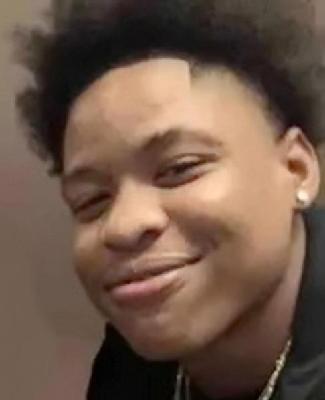
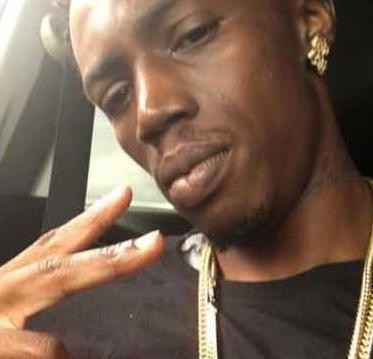
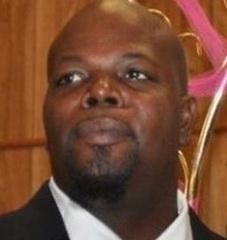
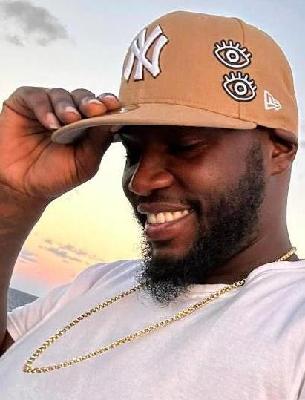
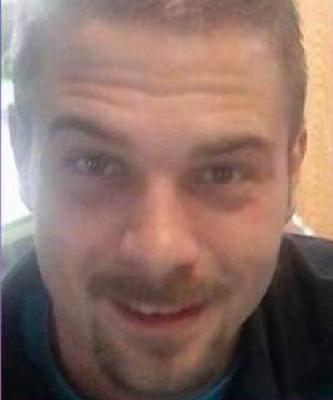
Eugene Kotey was a 36-year-old Black/African American man from Oklahoma City, Oklahoma, whose life was cut short after a sudden act of gun violence in the fall of 2018. In biographical records and memorials, he is remembered as a son and brother born on April 28, 1982, who attended Midwest City High School and later Langston University, eventually working as a commercial cleaner to support himself and his family.
Those who knew him would later see his name appear not just in funeral notices and cemetery records, but on lists of homicide victims and gun-violence memorial sites, a quiet life thrust into public view because of the way it ended.
In the early morning hours of October 5, 2018, just after 2 a.m., Eugene was in his vehicle near Northeast 36th Street and Lincoln Boulevard, a stretch of roadway just north of central Oklahoma City. At some point on that dark Friday morning, shots were fired into his car, striking him as he sat behind the wheel. Wounded but still conscious, he made the desperate decision to drive himself to OU Medical Center rather than wait for help to arrive. Hospital staff and Oklahoma City police first encountered him there, gravely injured but able to tell officers that he had been shot while in his vehicle at that intersection.
Doctors worked to save him, and for a week his life hung in the balance. During that time, what had begun as a frightening late-night shooting became an active homicide investigation in waiting, dependent on whether he survived. Despite intensive medical care, Eugene’s injuries proved too severe. On October 12, 2018, one week after the attack, he died at the hospital from the gunshot wounds he had suffered on October 5. His death was counted among Oklahoma City’s homicides for that year, noted in local news reports as one more life added to a growing tally of killings in the city. Memorial pages would later mark him as “lost to gun violence” on the date of the shooting, linking his name to broader statistics but also emphasizing that behind every number was a real person with a story.
Back at the scene near Northeast 36th and Lincoln, investigators searched for clues about who had opened fire on Eugene’s vehicle and why. Police statements at the time made clear that they were treating the case as a homicide and appealed to the public for help, asking anyone with information to contact the department’s homicide tip line. Local outlets repeated that plea, but no suspect description or motive was publicly announced. As weeks turned into months and then years, case summaries and justice-focused databases continued to list his killing, inviting readers to share any new details and explicitly noting that no one had been arrested in connection with the shooting.
Today, entries about Eugene span funeral records, cemetery listings, crime databases, and gun-violence memorials, each capturing a different fragment of his life and death—his family ties and education, his work, the early-morning drive to the hospital, and the unanswered questions that followed. Together they tell the story of a man who fought to save himself after being shot, who lingered for a week under hospital care, and whose case, according to available public records and news reports, still shows no publicly identified suspect or reported arrest, leaving his loved ones and community without clear answers about who was responsible or why it happened.