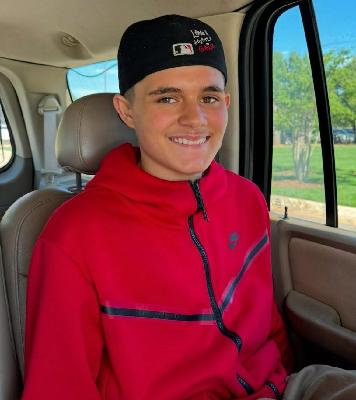
On the evening of December 19, 2020, Alfredo Vara, a 24-year-old Hispanic/Latino man, was at a house on High Noon Road on the far northwest side of Oklahoma City, spending time there with his girlfriend and friends as a winter Saturday drew to a close. The neighborhood, near Britton Road and Mustang Road, was normally quiet enough that a neighbor later described coming home from work and being shocked to find the street lined with crime tape and police cars, a scene utterly at odds with the
calm he was used to seeing outside his door.
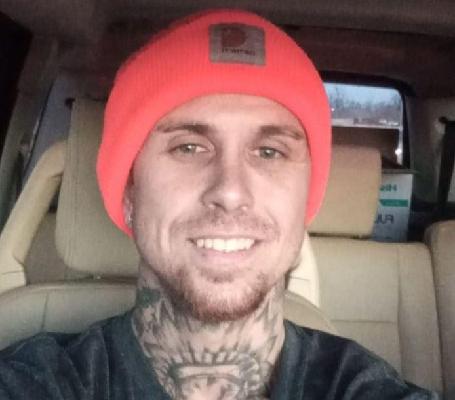
Inside the home, according to investigators, tensions erupted into sudden violence. Police later said that Patrick Allen Matthews, 24, and his roommate, 34-year-old Johnathan Gonzalez-Leal, were together in the house when Matthews opened fire, shooting Gonzalez-Leal during an altercation that detectives were still trying to understand in the days that followed. What unfolded was described as a triple shooting: the initial attack on Gonzalez-Leal, the desperate attempt by others in the home to respond, and the gunfire that would claim one life and nearly take two more.
When the first shot rang out, panic and instinct crashed together. Reports say that Alfredo moved toward Gonzalez-Leal to try to help, attempting to render aid to the seriously wounded man while his girlfriend grabbed the phone and called 911, staying on the line as she tried to explain the chaos unfolding around her. In that brief, harrowing window—while one person bled on the floor and another pleaded for help—Matthews turned the gun on Alfredo and shot him. Investigators later said he was struck multiple times and died at the scene, his final moments spent trying to save someone else.
Outside, the violence left its mark before officers ever stepped through the front door. A neighbor recalled seeing a blood-smeared car and blood trails along the sidewalk, signs of the frantic moments after the shooting and the desperate effort to reach safety or help. When Oklahoma City police arrived, they reported that Matthews emerged from the front of the house and, in front of responding officers, shot himself. He was rushed to a hospital in critical condition but survived, while Gonzalez-Leal was also transported in critical but stable condition, fighting for his life as detectives began piecing together how a home shared by roommates had become the scene of a double shooting and an attempted suicide in a matter of minutes.
In the months that followed, the case moved from flashing lights and evidence markers to courtrooms and legal filings, with Matthews identified by police as the suspect in Alfredo’s killing and Gonzalez-Leal’s wounding. Nearly two years after the shooting, prosecutors secured a conviction that led to a 40-year prison sentence for Matthews in connection with the fatal events inside the High Noon Road home, a punishment that reflected both the loss of life and the lasting harm to the surviving victim. News accounts and case summaries continue to remember Alfredo as the person who stepped forward in a moment of terror to help another wounded man, only to be killed for that act, leaving a story of violence that is also, at its center, a story of tragic courage.