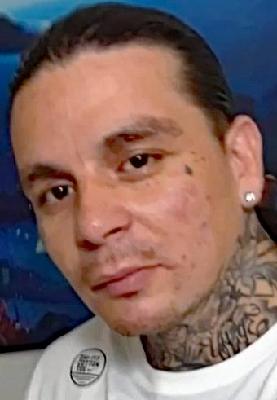
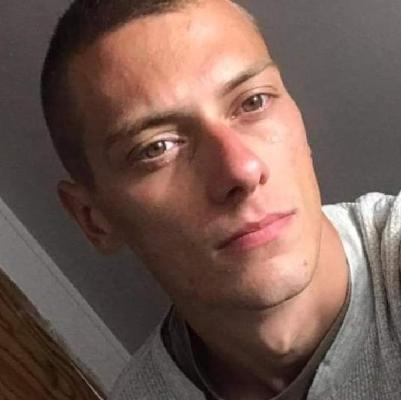
For years, the disappearance of John Ayers weighed on the edges of Shawnee, Oklahoma, an unresolved absence that began when he went missing in 2015 and lingered with no clear answers. He was 64, a White male from the community, someone whose name eventually migrated from missing-person lists to quiet conversations about what might have happened to him.
On March 15, 2021, that long uncertainty shifted when a person walking through fields along Brangus Road, near Independence Road on the outskirts of Shawnee, noticed what looked like bones in a wooded patch of private property. Police arrived and quickly confirmed the remains were human, closing the road while they secured the scene and called in additional help. The Oklahoma State Bureau of Investigation joined Shawnee officers, and together they worked in the secluded area, bordered by fields and scattered homes, searching for clues that might explain how the remains had come to rest there and how long they had been exposed to the elements.
In the weeks that followed, the remains were sent to the Medical Examiner’s office, where investigators confronted a body that was completely skeletonized after years outdoors. It would take time before they could confirm an identity, but eventually the Medical Examiner reported that the remains were those of John Ayers, the man who had vanished from Shawnee six years earlier. Forensic examination found that he had died from a gunshot wound to the head. Because fragments of his skull were missing, examiners could not determine the trajectory of the bullet, a gap in the physical record that limited how precisely they could reconstruct his final moments.
The Medical Examiner described the circumstances as “suspicious,” a word that echoed the unease many felt when they learned that a long-missing man had been discovered as a shooting victim in a remote stand of trees off a quiet road. Yet despite that cautionary language, the case took a decisive turn when the official ruling on the manner of death classified it as a suicide. On paper, the mystery narrowed to a single, tragic conclusion: a gunshot, self-inflicted, on a piece of private land where no one saw what happened and years would pass before anyone found him.
Public records and news coverage of the case do not mention any suspects, persons of interest, or arrests connected to John Ayers’ death. Once the Medical Examiner’s ruling of suicide was issued, authorities did not present the case as an active homicide investigation, and no follow-up announcements described any criminal charges or identified individuals believed to be responsible. In the public record, his story ends at that quiet stretch of Brangus Road: a missing man finally found, his death formally attributed to his own hand, leaving behind a set of facts that answer the basic questions of who, where, and how, but still leave room for the lingering discomfort that often surrounds a life that disappears for years before being discovered in the woods.