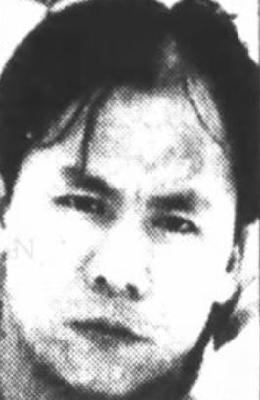
In the winter of 2007, a 30-year-old Hmong man named Cha Vang was hunting for small game with friends in the Peshtigo Harbor Wildlife Area in northeastern Wisconsin. Vang, a father of five who had moved to the United States from a refugee camp in Southeast Asia two years prior, was just beginning to learn English. On the evening of January 6th, his hunting party reported him missing. The following morning, his body was discovered, partially concealed under a log and other debris. An autopsy would later reveal that he had been shot by a shotgun from a distance and stabbed multiple times in the face and neck.
The investigation into Vang’s death quickly led to a suspect, James Nichols, a 28-year-old logger from Peshtigo. Nichols had sought medical treatment for a gunshot wound on the same day Vang’s body was found and was subsequently arrested. He admitted to killing Vang but claimed it was in self-defense, asserting that Vang had shot him first after a confrontation. Nichols' account of the events leading to Vang's death was inconsistent, and his fiancée stated he initially panicked and did not report the incident because he was on probation.
During the investigation, statements Nichols had made prior to the incident came to light, suggesting a potential racial motive for the killing. His employer testified that Nichols had previously expressed a desire to harm a Hmong hunter. Nichols had also been quoted as saying that Hmong people were "mean" and would "kill everything that moves." These statements, coupled with the violent nature of Vang's death, cast a shadow of racial tension over the case, particularly as it followed a highly publicized incident a few years earlier where a Hmong hunter had killed six white hunters in Wisconsin.
James Nichols was charged with first-degree intentional homicide, hiding a corpse, and being a felon in possession of a firearm. He pleaded not guilty to all charges. In October 2007, a jury found him guilty of the lesser charge of second-degree intentional homicide, as well as the other two charges. He was later sentenced to 60 years in prison for his crimes. The verdict and sentence were met with disappointment by some in the Hmong community, who felt that justice had not been fully served and that the maximum sentence should have been imposed.