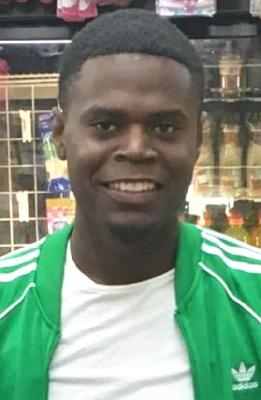
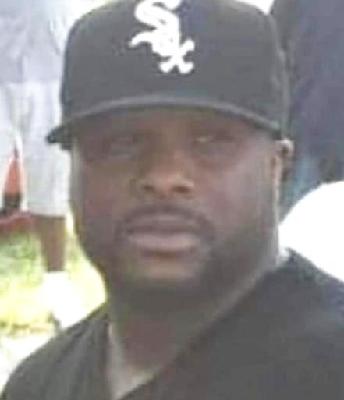
On January 5, 2012, the city of Chicago lost one of its residents in a senseless act of violence. Lionel Lane, a 51-year-old African American man from Wheaton, Illinois, was fatally shot in the face while in the Austin neighborhood. His life was taken with sudden brutality, leaving a void in the lives of his family, friends, and community that will never be fully healed. The Cook County Medical Examiner's Office confirmed the cause of death as a homicide, a stark finality to a life that had undoubtedly seen its share of moments, challenges, triumphs, and quiet dignity.
To those who knew Lionel Lane, he was more than just a statistic. At 51 years of age, Lionel was a man in the prime of his later adulthood—a time when many begin to look forward to peace, family, and reflection. His death did not come with the closure of justice, nor did it arrive with the sense of accountability that families deserve in the face of such loss. More than a decade later, there remains no record of a suspect, no named person of interest, and no arrest made in connection to this heinous crime. The silence surrounding his death echoes loudly against the cries for justice that remain unanswered.
As is often the case in Chicago's long battle with gun violence, the murder of Lionel Lane was another devastating reminder of lives interrupted and families broken. The Austin neighborhood, like many others in the city, has struggled under the weight of systemic inequities and the tragic normalcy of gun-related deaths. But Lionel was not just a victim of a trend or a news headline. He was a son, perhaps a father, a friend, a neighbor. His identity cannot be reduced to the moment of his death. It must be honored with the weight of his full humanity.
The absence of accountability in Lionel Lane's murder is deeply painful. It is a gaping wound not only for those who loved him but for a community that yearns to see justice done. There has been no one to answer for the crime. No person has been arrested, charged, or even publicly identified in connection with Lionel's death. The lack of resolution underscores the broader struggles faced by law enforcement and communities alike in solving violent crimes, particularly in underserved neighborhoods.
And so, the memory of Lionel Lane, a 51-year-old African American man whose life was so cruelly cut short, must live on through remembrance, through a continued call for justice, and through a refusal to allow his story to fade into the background. Each name, each life lost, must be a rallying cry—not only for justice, but for change. Let Lionel Lane be remembered not just for how he died, but for the life he led, and the love he left behind. May those who still search for answers one day find peace.