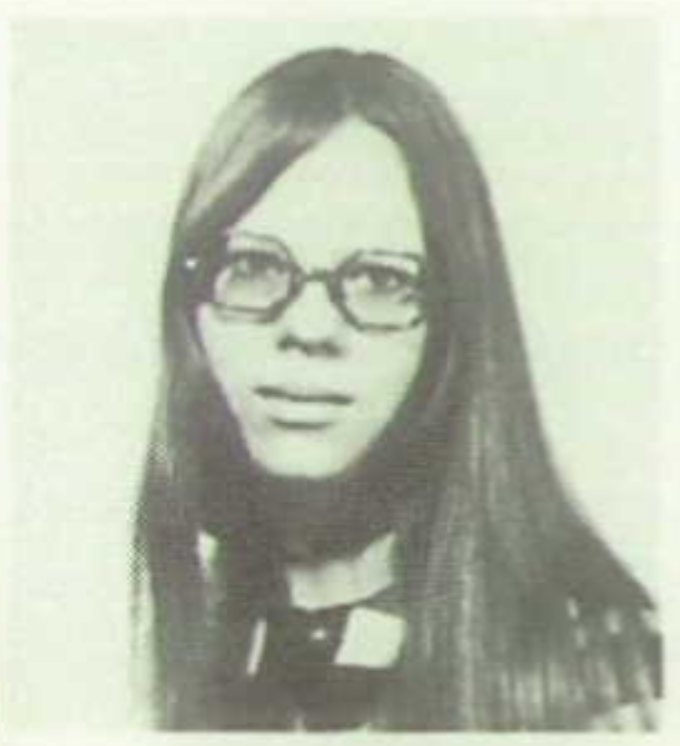
In the summer of 1977, a 17-year-old girl named Elizabeth Ann Elder, who went by Lisa Roberts after her adoption, made the fateful decision to run away from her home in Roseburg, Oregon. On July 25, 1977, her father reported her missing. A few weeks later, Lisa called her parents from Everett, Washington, asking for money. They sent funds to a local bank, pleading with her to return home, but the money was never claimed.
This would be the last time her family ever heard from her.
On August 9, 1977, just fifteen days after leaving home, Lisa was hitchhiking near Silver Lake in Everett. A 20-year-old man named David Roth picked her up. Instead of taking her where she wanted to go, he drove to a more secluded area and made sexual advances. When the young white female refused, Roth became enraged. He strangled her with a bungee cord and then shot her seven times in the head, leaving her body in a wooded area.
Five days later, on August 14, residents picking blackberries in an unincorporated area of south Everett stumbled upon a horrific scene. They discovered the body of a young woman, so badly decomposed in the summer heat and disfigured from her injuries that she was unrecognizable. With no identification found at the scene, she became a Jane Doe. For decades, she was known to investigators only by a nickname given to her by a detective who refused to let her be forgotten: "Precious Jane Doe."
The investigation into the murder led police to David Roth after a friend of his reported that Roth had confessed to killing a hitchhiker. Roth was arrested, and in 1979, he was convicted of the murder and sentenced to 26 years in prison. He never revealed the name of his victim, claiming he never asked for it. Roth served his sentence and was released, eventually dying of cancer in 2015, taking any unshared secrets of that day to his grave. For 43 years, Lisa's family and the investigators on her case were left without answers about her identity. The breakthrough finally came in 2020, when advanced DNA technology and genetic genealogy were used on a hair sample that had been preserved. This cutting-edge science allowed investigators to build a family tree, which ultimately led them to identify "Precious Jane Doe" as Elizabeth "Lisa" Roberts, finally returning her name and allowing her remains to be returned to her family.