On a late summer afternoon in Seattle, on August 30, 2010, a 50-year-old First Nations woodcarver named John T. Williams was walking near the intersection of Boren Avenue and Howell Street. Williams, a member of the Nuu-chah-nulth tribe and a seventh-generation carver, was carrying a piece of cedar and a small carving knife, tools of his trade. He had a history of alcoholism and was hearing impaired in one ear.
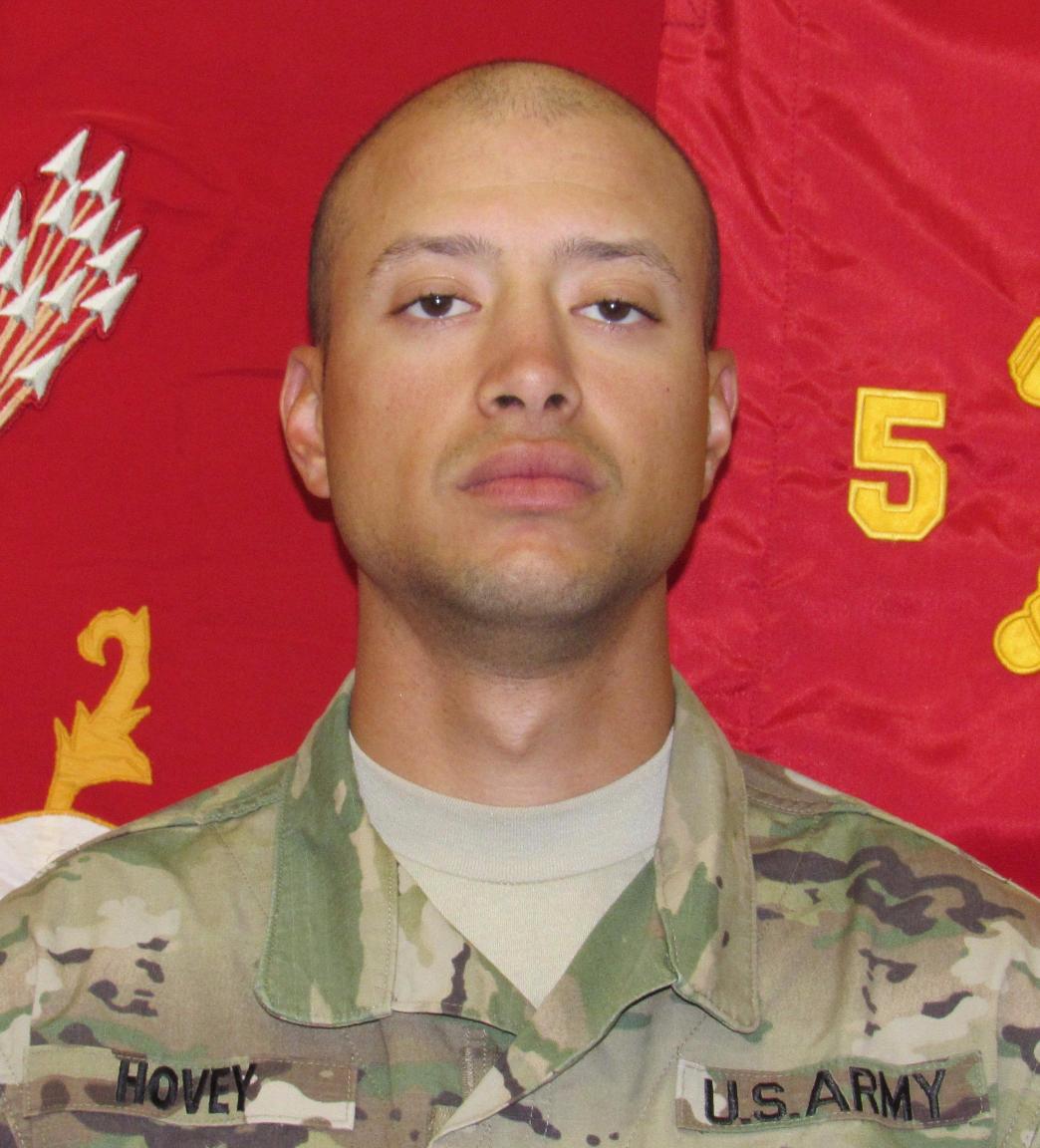
At approximately 4:15 p.m., Seattle Police Officer Ian Birk, 27, spotted
Williams from his patrol car. According to reports, Birk observed Williams with the knife and believed it was important to investigate. Exiting his vehicle, Birk approached Williams and ordered him to drop the knife. Within a matter of seconds, Officer Birk fired his weapon five times, striking Williams with four of the bullets. John T. Williams died at the scene. Initial police statements suggested Williams had been advancing toward the officer in a threatening manner.
The shooting immediately sparked public outrage and protests across the city, bringing scrutiny upon the Seattle Police Department. An investigation into the incident revealed conflicting accounts. Dashcam footage from Birk's patrol car captured the rapid escalation of events, showing less than five seconds elapsed between the officer's first command and the sound of gunshots. Witnesses at the scene, and later a federal investigation, indicated that Williams' small carving knife was found closed on the ground next to him, contradicting the officer's claim that it was open and brandished in a threatening way.
The Seattle Police Department's own Firearms Review Board ultimately ruled the shooting as unjustified. Despite this finding, King County prosecutors decided not to file criminal charges against Officer Birk, citing state law at the time which required proof of "evil intent" for an officer to be charged in such a case. The day after the prosecutor's decision was announced, Birk resigned from the Seattle Police Department. A subsequent federal civil rights investigation was also closed without charges, with the Justice Department concluding there was insufficient evidence to prove the officer acted with deliberate and specific intent to violate Williams' rights.
In the years following his death, John T. Williams became a symbol for the movement against police brutality and excessive force. His family pursued a civil lawsuit against the city of Seattle, which resulted in a $1.5 million settlement. The shooting was a key factor in prompting a broader Department of Justice investigation into the Seattle Police Department, which found a pattern of excessive force and led to a court-ordered consent decree to implement reforms in training, supervision, and accountability. The tragic death of the skilled woodcarver left a lasting impact on the city, fueling a long-term community effort to change Washington's law regarding the police use of deadly force.