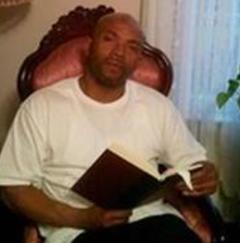
In the winter of 2014, the life of Joseph Karat Parker, a 34-year-old Black / African American man, was violently cut short in Seattle, Washington. On the evening of February 6, 2014, Parker was discovered in his apartment, the victim of a brutal stabbing. The King County Medical Examiner's Office would later confirm that his death was a homicide, caused by multiple stab wounds.
The scene within his apartment painted a grim picture of his final moments, suggesting a fierce struggle for survival against his attacker.
Investigators from the Seattle Police Department immediately launched an extensive investigation into the death of Joseph Parker. Evidence collected from the apartment, including fingerprints, DNA samples, and the presumed murder weapon, became the cornerstones of their case. As detectives delved into Parker's life, interviewing numerous individuals and chasing down various leads, a primary suspect began to emerge. This person was described as a former acquaintance of Parker's, someone with a documented history of violent behavior. Witnesses had also placed this individual in the vicinity of Parker's apartment on the night of the murder, strengthening the police's focus on them.
Months of meticulous police work culminated in the arrest of the former acquaintance, who was subsequently charged with the murder of Joseph Karat Parker. The case proceeded to trial in King County Superior Court, where the prosecution laid out its evidence. Forensic experts, witnesses, and the law enforcement officers who worked the case all provided testimony. The weight of the forensic evidence, combined with witness accounts, proved compelling. The defense, in turn, argued that the evidence was largely circumstantial and that other potential suspects had not been adequately investigated.
Despite the defense's arguments and subsequent appeals, the jury returned a guilty verdict. The individual charged with Joseph Karat Parker's murder was convicted and handed a sentence of life in prison without the possibility of parole. The conclusion of the legal proceedings brought a measure of closure to Parker's family, who had endured the profound grief of their loss throughout the investigation and trial. While justice had been served, it could not erase the sorrow of a life taken too soon.