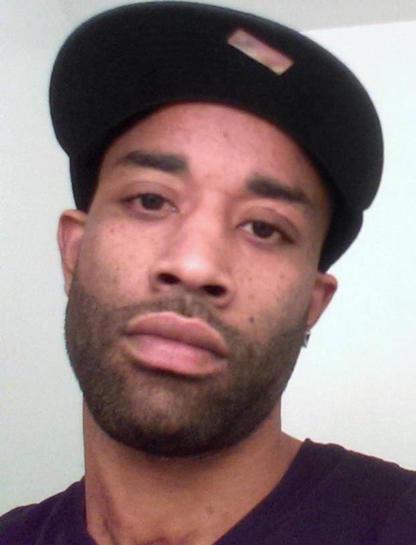
On a Tuesday afternoon in Renton, Washington, the life of 27-year-old Ahmed Sheikah, a Black/African American male, was cut short in a sudden and violent encounter on a King County Metro bus. It was November 29, 2016, and Sheikah was a passenger on the Route 169 bus when another rider, Faisal Guled Adan, then 21, opened fire without apparent provocation.
Witnesses later reported that the two men had been speaking in a foreign language, with no audible signs of a dispute, before Adan stood up and shot Sheikah multiple times at close range.
The gunshots plunged the bus into chaos. As panicked passengers screamed, Adan made his way to the front of the vehicle, brandished his revolver at the driver, and demanded to be let off. The driver complied, and Adan fled the scene on foot. He didn't get far. Shortly after the shooting, two residents on a nearby street saw a man emerge from behind a vehicle with his hands in the air, admitting he was the person the police were looking for and stating, "I did it." One of the bystanders instructed him to sit on the ground with his hands up until police arrived moments later and took him into custody.
Ahmed Sheikah was rushed to Harborview Medical Center with gunshot wounds to his head, shoulder, and hand. Despite medical efforts, he succumbed to his injuries two days later. The investigation that followed revealed that Adan and Sheikah barely knew each other and had no significant quarrel. During questioning, Adan claimed he believed Sheikah was going to harm him, stating he overheard a phone conversation that made him feel threatened. However, he also admitted that he never saw a weapon on Sheikah and confessed to using drugs and alcohol before boarding the bus that day.
Faisal Adan was charged with second-degree murder, second-degree assault for threatening the bus driver, and unlawful possession of a firearm due to a prior felony conviction. He eventually pleaded guilty to the charges. At his sentencing, Adan's defense argued for a shorter sentence, citing his youth and a claim of "failed self-defense" rooted in what the court later described as paranoid delusions. The prosecution, however, highlighted his violent criminal history and the senseless nature of the crime. The court sentenced Adan to 353 months in prison. His subsequent appeal for a mitigated sentence was denied by the Washington Court of Appeals in 2020, which upheld the original sentence, concluding that his arguments were based on his delusions rather than a legitimate fear for his safety.