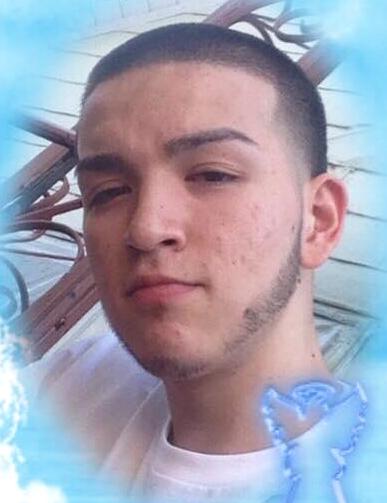
Gary Clark, aged 39, was fatally shot on October 9, 2012, in Chicago. His death added to the growing number of homicides that year, marking 2012 as one of the most violent periods for the city in recent history. The year saw over 500 homicides, representing a significant increase from previous years. This uptick was partly attributed to various factors, including socio-economic disparities, gang activity, and changes in policing strategies.
The spike in homicides in 2012 led to intense scrutiny of Chicago's policing policies, particularly in light of the decision to disband specialized gang units that had previously been deployed to tackle high-risk areas. These units had been credited with reducing violent crime in previous years, but their removal under the new policing strategy led some experts to argue that their absence may have contributed to the resurgence of violence in certain neighborhoods. This year also saw an unusually warm spring, with some experts suggesting that the weather may have played a role in exacerbating tensions and contributing to increased criminal activity across the city.
The circumstances of Gary Clark's death are emblematic of the challenges faced by many communities in Chicago, particularly those in areas with limited resources and high levels of crime. The rise in violence was most acute in neighborhoods on the South and West sides, where systemic issues such as poverty, unemployment, and lack of social services made these areas particularly vulnerable to the impacts of crime. Clark's death is a tragic reminder of the broader struggles that the city faced in its efforts to curb violence and ensure the safety of its residents during this turbulent year.