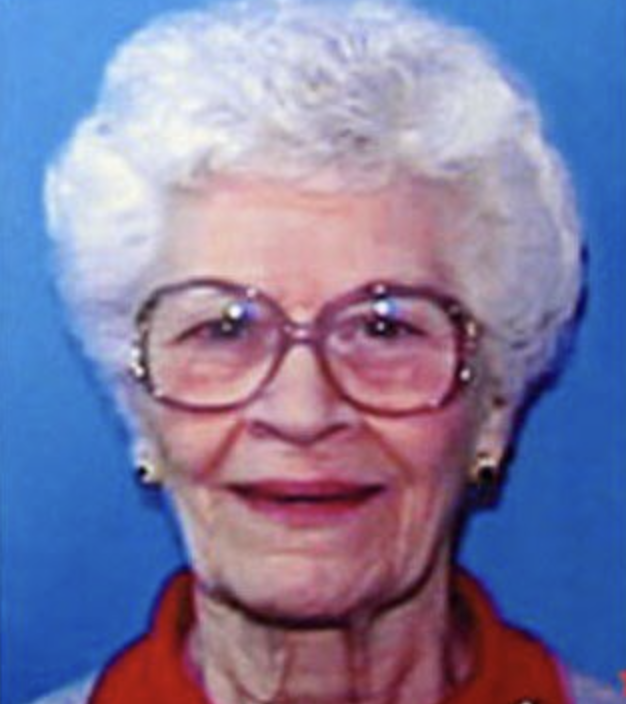
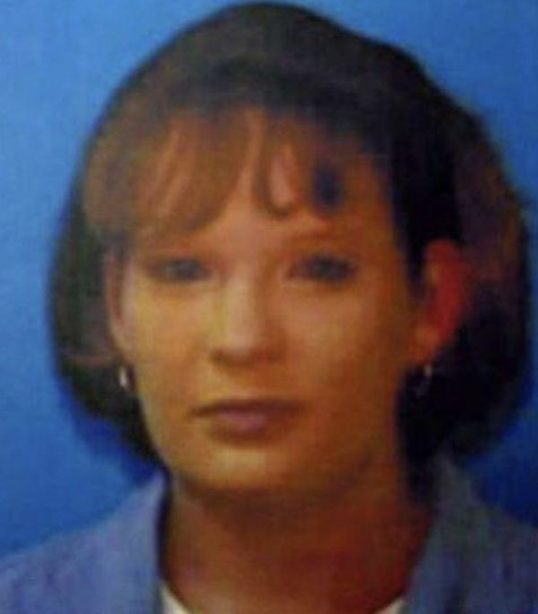
In the quiet town of Great Bend, Kansas, the life of a young, white/caucasian woman named Mary Robin Walter was tragically cut short on the evening of January 24, 1980. At 23 years old, Walter was a wife, a mother to a five-year-old daughter, and a nursing student at Barton County Community College, with a future that seemed full of promise. That evening, however, she was found in her home in the Nelson Trailer Park, having been shot multiple times.
Her husband discovered her body in a back bedroom and immediately alerted the authorities.
Investigators found a. 22-caliber handgun at the scene, which was determined to be the murder weapon. Suspicion soon fell upon one of Walter's neighbors, Steven L. Hanks, who was 25 at the time. Despite being a person of interest, a lack of sufficient evidence meant that no arrest was made, and as the years turned into decades, the case grew cold. For over 40 years, the murder of Mary Robin Walter remained an unsolved mystery that haunted her family and the Barton County Sheriff's Office.
The passage of time did not completely erase the memory of this brutal crime. In April 2022, a detective with the Barton County Sheriff's Office decided to take a fresh look at the dormant case file. This renewed investigation utilized contemporary techniques and technologies unavailable in 1980. Investigators re-examined evidence and conducted new interviews, including speaking once again with Steven L. Hanks, who was then living in another Kansas town. During these new interviews, Hanks confessed to the killing.
In December 2022, more than 42 years after the crime, Steven L. Hanks was arrested and charged with second-degree murder in the death of Mary Robin Walter. His confession was the critical piece of evidence that had been missing for decades. In 2024, at the age of 70, Hanks was sentenced to 10 to 25 years in prison, finally bringing a long-awaited conclusion to a case that had lingered in the community for a generation.