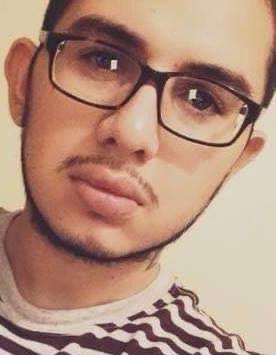
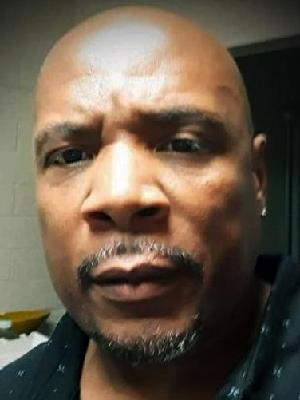
On September 13, 2013, businessman William James “Will” Carter Jr., a 30-year-old white man originally from Phoenix, Arizona, was shot to death inside a house on Clifton Road off Flat Shoals Road in southeast Atlanta, Georgia. Carter had been born in Phoenix in 1982, later moving with his family to Orlando and then to the Atlanta area as a teenager.
As an adult he built a successful career as the president and CEO of Georgia Select Insurance Co., expanding it to several offices and employing dozens of people, and he was also the devoted father of an eight-year-old daughter.
In the early morning hours of the killing, Carter was at the home of his ex-fiancée, 31-year-old Victoria Rickman. According to police records and later trial testimony, Rickman called 911 in a frantic state and reported that she had shot Carter during what she claimed was an attempted rape. Responding officers found Carter shot repeatedly—reports from investigators and later media coverage state he was struck at least ten times, most of the wounds in his back—inside the bedroom of the Clifton Road residence. This pattern of gunfire, along with physical-evidence findings, would become central to the prosecution’s argument that the shooting was not self-defense.
The relationship between Carter and Rickman was described in court as tumultuous and on-again, off-again, characterized by frequent arguments, allegations of abuse, and numerous 911 calls in the months and years before the shooting. In the weeks leading up to his death, the pair had recently broken up but had begun talking and seeing each other again despite prior conflict. Prosecutors later emphasized that, shortly before the killing, Carter had pursued a battery case against Rickman; the state argued that she was angry he would not abandon that charge and that she fabricated the rape allegation after the shooting to justify what they portrayed as a deliberate attack. Defense attorneys maintained that Rickman was a victim of domestic violence who genuinely feared Carter and fired in self-defense, but medical testimony indicated an absence of injuries consistent with the brutal sexual assault she described, and the trajectory and clustering of the bullets undermined her version of events in the eyes of investigators and, ultimately, the jury.
Within hours of the shooting, Atlanta police arrested Rickman and charged her with murder in connection with Carter’s death. She was held without bond as the investigation continued, and news reports at the time noted that the case drew significant local attention both because of Carter’s status as a rising businessman in the Marietta and Atlanta communities and because of the dramatic circumstances described in the 911 call and early police statements. Over time, additional media coverage and true-crime reporting highlighted the conflicting narratives: Rickman’s claim that she had defended herself during a sexual assault, and Carter’s family’s insistence, echoed by investigators, that he had been wrongly portrayed and killed without justification.
Formal charges followed in December 2013, when a DeKalb County grand jury indicted Rickman on counts including malice murder, felony murder, aggravated assault, and possession of a firearm during the commission of a crime. Her jury trial took place in August 2017, and on September 1, 2017 she was found guilty on all counts. The court sentenced her to life in prison without the possibility of parole, plus an additional five years for the firearm offense. Rickman pursued post-trial relief, filing a motion for a new trial and then appealing to the Supreme Court of Georgia; in April 2020, the state’s high court issued an opinion affirming her convictions and sentence. Subsequent reporting indicates that she remains incarcerated at Pulaski State Prison in Hawkinsville, Georgia, while Carter’s family and friends continue to remember him publicly through obituaries, memorial articles, and online tributes that emphasize both the sudden violence of his death and the impact his loss had on his young daughter and wider community.