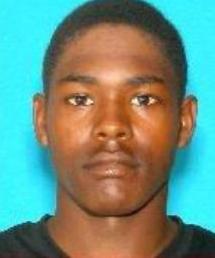
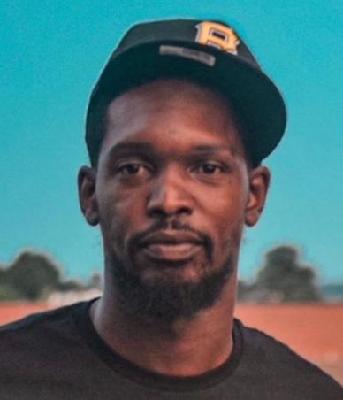
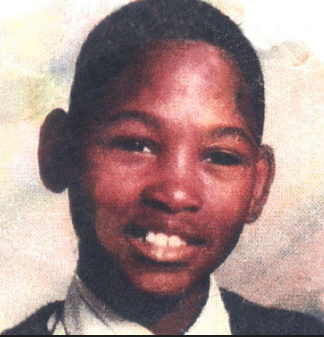
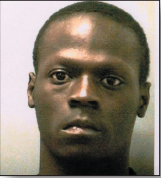
On a warm summer night in Washington, D.C., Dennis Dykes, a 34-year-old man from Southeast, left behind the rhythms of his work and family life for what should have been an ordinary early-morning hour near the Minnesota Avenue Metro station. Those who later wrote about him described a man with a playful nickname, “Meatball,” remembered as honest, goofy, deeply protective, and affectionate.
He had worked security, including shifts at Washington’s professional football stadium, and had walked the halls of Suitland High School years earlier, before life pulled him firmly into adulthood and responsibility.
In the first minutes of July 1, 2020, the neighborhood around the 4000 block of Grant Street Northeast was quiet, the streets mostly empty save for the occasional car and the steady presence of the nearby Metro tracks. Shortly after 1 a.m., that calm broke. Gunfire sliced through the darkness, startling residents awake and sending calls to 911 about shots in the area near the station. What exactly led up to that burst of violence has never been detailed publicly, but when it ended, Dykes lay mortally wounded on the pavement of Grant Street, far from the ordinary night he might have expected.
Officers from the Metropolitan Police Department’s Sixth District were dispatched around 1:20 a.m. to check on the reports of gunfire. When they arrived, they found Dykes collapsed and unresponsive, suffering from multiple gunshot wounds. Emergency medical crews tried to assess his condition there on the street, but he showed no signs of life. He was pronounced dead at the scene and later taken to the Office of the Chief Medical Examiner, his name formally recorded as a resident of Southeast Washington whose life had ended on a Northeast block in the small hours of the morning.
From the start, homicide detectives treated the case with the urgency reserved for a killing that appears deliberate and targeted. The investigation was taken up by the Homicide Branch, which canvassed the neighborhood and pulled footage from nearby cameras. One surveillance system had captured the attack itself, along with images of a fleeing vehicle and the figure believed to be the shooter. Weeks later, police publicly shared that footage, hoping that someone might recognize the car or the person in it. The department paired those images with a standing reward of up to $25,000 for information leading to the arrest and conviction of whoever was responsible, repeating its appeals through official releases and local news outlets.
In the months that followed, the story of Dykes’s life and death continued mostly in small gestures rather than big headlines. Online memorials slowly filled with candles, brief messages from relatives and friends who addressed him with family nicknames, spoke of missing an uncle, a son, a man whose sense of humor and protectiveness had been part of their daily lives. They remembered his security work and the ordinary places his life had touched, even as the extraordinary violence of that July night overshadowed everything else. The official record, meanwhile, remained focused on the search: detectives asking for tips, community groups and crime trackers repeating the call, and case summaries noting that a suspect and a vehicle had been caught on camera but not named.
Across the publicly available reports, there is no indication that police ever announced an arrest or identified the shooter by name. The narrative that emerges instead is of an open case: a fatal shooting on Grant Street, a man cut down in the early morning, a grainy image of a suspect and a vehicle, and a reward still offered to anyone willing to come forward. Taken together, those fragments suggest that, at least as of the latest published accounts, the person or people who killed Dennis Dykes had not yet been brought into custody, leaving his family, friends, and community with unanswered questions and a lingering hope that someone, somewhere, will finally break the silence.