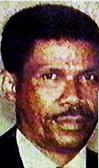
On an August evening in 2020, Richard Bangura, an 18-year-old Black / African American male from Northeast Washington, D.C., headed out from home with the kind of casual confidence that comes from believing the future is finally opening up. He had just graduated from Dunbar High School and was days away from leaving for Temple University, where he hoped to study criminal justice and eventually earn a law degree, a path he saw as a way to push back against the violence that had shadowed his own
life.
Shortly before 7 p.m. on August 9, 2020, police were called to the 2400 block of Franklin Street NE, in the Langdon neighborhood, after reports of gunfire. Officers found Richard inside a vehicle, gravely wounded from a gunshot, and D.C. Fire and EMS rushed him to a hospital with life-threatening injuries. In those first hours, his family waited and prayed, clinging to the hope that he might pull through, just as he had once before when he survived a shooting during his sophomore year of high school.
Richard's story before that night had been a hard-fought climb away from danger. Having once been shot as a younger teenager, he used that trauma as a turning point, committing himself to school and to mentoring others. He took part in programs like a law camp at D.C. District Court, became a student ambassador, and spoke out against gun violence, trying to convince other young people not to follow the path he once seemed perilously close to. By the summer of 2020, he had a diploma, a college acceptance, and a plan to leave Washington for Philadelphia, determined to come back one day with a law degree and use it to help his community.
The damage from the August 9 shooting, however, proved too severe. Richard fought for a week in the hospital, his family keeping vigil at his bedside as doctors tried to save him. On August 16, 2020, the same Sunday he was supposed to be leaving for Temple University, he was pronounced dead, his death later recorded as the result of the gunshot wound he suffered in the attack. His passing added one more name to a grim list of homicides in Ward 5 that year, a tally that had already been climbing and that underscored the relentless toll of gun violence on the city's youth.
In the days and weeks after Richard died, detectives from the Metropolitan Police Department's Homicide Branch circulated reward flyers and public appeals for information, offering up to $25,000 for tips leading to an arrest and conviction. For a time, his killing remained unsolved, an open wound for his relatives and neighbors who knew how hard he had worked to escape exactly this kind of fate. The car where he had been found, the quiet residential block, and the hospital room where he spent his last days all became fixed points in the story people told about him: a young scholar and advocate whose ambitions had outgrown the violence around him, but not quickly enough to outrun it.
More than a year later, on October 20, 2021, police announced a breakthrough. Pursuant to a D.C. Superior Court custody order, officers arrested a 16-year-old juvenile male from Northeast D.C. and charged him with first-degree murder while armed in connection with the shooting that had taken Richard's life. Because of the suspect's age, authorities did not publicly release his name, and they have not widely detailed a specific motive, leaving many questions about what led to the fatal encounter. The case remained under investigation even after the arrest, with detectives still inviting tips from the public, a sign that, for the justice system as well as for Richard's family, the story of what happened on that August night was not yet fully told.