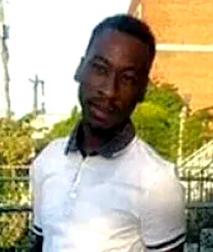
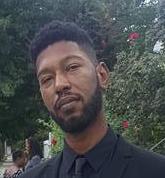
In the pre-dawn hours of a Saturday in the nation's capital, the historic neighborhood of Georgetown was rattled by the sound of gunfire. On November 7, 2020, at approximately 2:56 a.m., officers from the Metropolitan Police Department were dispatched to the 3300 block of Water Street, Northwest, an area near the picturesque waterfront. Upon their arrival, they discovered the grim outcome of the reported gunshots: a young man lying wounded.
The victim was Franklin Hernandez Arévalo, a 19-year-old Hispanic male from Alexandria, Virginia. Emergency medical services were called to the scene, but his injuries were too severe. Hernandez Arévalo was pronounced dead at the location where he was found.
The initial investigation into the shooting left many questions unanswered. Homicide detectives began the arduous task of piecing together the events that led to the fatal encounter along the Potomac River. For months, the case progressed without a named suspect, and the Metropolitan Police Department sought assistance from the public, offering a substantial reward for information that could lead to an arrest and conviction in the homicide. The community was left unsettled by the violent act that had taken a young life.
A significant breakthrough in the investigation came several months later. On Monday, April 19, 2021, members of the Fugitive Unit, acting on a D.C. Superior Court arrest warrant, apprehended a suspect. Roberto Cayetano-Mejia, a 20-year-old resident of Falls Church, Virginia, was taken into custody and transported to the Homicide Branch. He was subsequently charged with Second Degree Murder While Armed for his alleged role in Franklin Hernandez Arévalo's death.
The legal process unfolded, and in a subsequent court hearing, the case against Cayetano-Mejia took a definitive turn. Rather than proceeding to a trial on the initial murder charge, the defendant accepted a plea agreement. On April 27, 2023, Roberto Cayetano-Mejia pleaded guilty to a reduced charge of voluntary manslaughter while armed. This plea deal came with a proposed sentence of 12 years of incarceration followed by five years of supervised release, a significant reduction from the potential maximum sentence for the original charge.