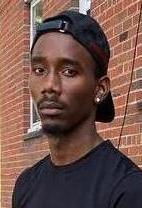
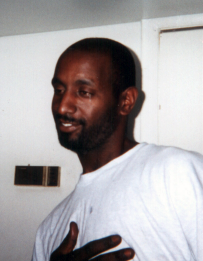
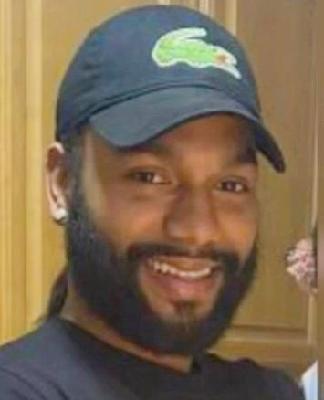
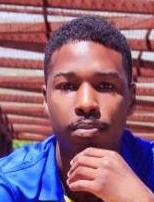
Antonio Brown, a 25-year-old Black man from Southeast Washington, D.C., stepped into a mild spring Monday that held no hint of how abruptly it would end. It was April 12, 2021, late in the morning, when the quiet along the 900 block of Bellevue Street SE was broken by the sharp crack of gunfire. Neighbors heard the shots and someone called for help, drawing officers from the Metropolitan Police Department’s Seventh District toward the hillside street lined with low-rise apartment buildings
and rowhouses.
When officers arrived around 11:45 a.m., they found Brown suffering from multiple gunshot wounds, gravely injured and unable to speak for himself. DC Fire and Emergency Medical Services rushed to the scene, working quickly as they moved him to an area hospital, but despite those efforts, doctors were unable to save him. Not long after he arrived, he was pronounced dead, his killing entering the city’s growing 2021 homicide tally as another life taken suddenly and violently in broad daylight.
In the days that followed, detectives from the Homicide Branch began piecing together what little they had: a specific time, a precise location, and a young man identified in official releases as “25 year-old Antonio Brown, of Southeast, DC.” They appealed to the public through news releases and neighborhood blogs, asking for information about anyone seen fleeing the area or any dispute that might have preceded the gunfire. A formal reward bulletin was issued, offering up to $25,000 for information leading to the arrest and conviction of whoever was responsible. Brown’s name was later placed among the year’s major unsolved homicides, a stark indication that, even as time passed, no suspect had been publicly identified and no arrest had been announced in his case.
While the investigation moved slowly and largely out of public view, the sense of loss around him was captured in an online memorial, where family and friends returned again and again to write messages in his honor. They spoke of him with nicknames, remembered him as loving, goofy, and always joking with his relatives, and noted the neighborhood schools he had attended, including Ferebee-Hope, Hart Middle School, and Ballou High. Candles counted into the thousands were lit in his name, small digital flames that hinted at the size of the community who felt his absence. Together, the official notices and the personal tributes trace a story that remains unfinished: a young man gunned down in the middle of the day, a family and neighborhood left grieving, and a killer who, according to the latest public records, has yet to be brought to justice.