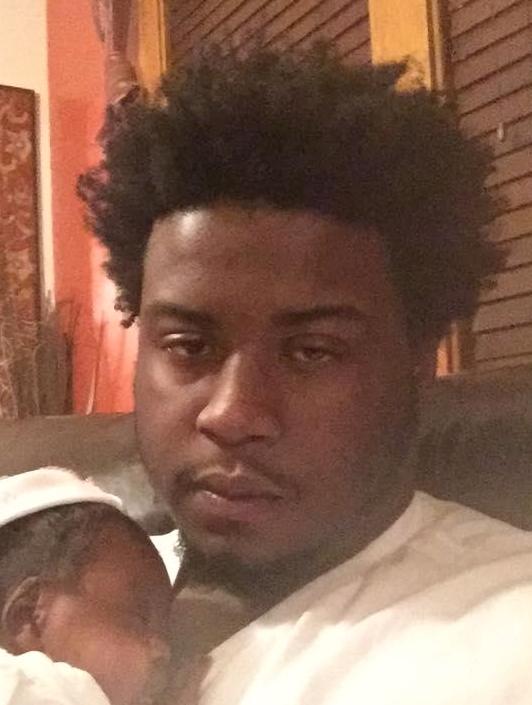
On September 11, 2014, Glenford Johnson, age 19, was shot and killed in Chicago, Illinois. The incident took place during a period of heightened gun violence in the city, with numerous young lives lost to violent crime. The specific circumstances of the shooting indicate that Glenford was one of several victims on that day whose deaths were recorded as part of Chicago's broader struggle with gun-related homicides.
Glenford's death was part of a troubling trend of violence in Chicago during 2014, a year that saw hundreds of homicides across the city. Chicago's South Side, where many of these incidents occurred, faced significant challenges from systemic issues such as gang activity, poverty, and a lack of community resources. The homicide rate in the city at that time remained high, with young people often being disproportionately affected by violence. Glenford's case exemplifies the vulnerability faced by many Chicagoans, especially in neighborhoods where law enforcement and community support have been struggling to curb the epidemic of violence.
Efforts to address gun violence in Chicago include increased policing and community outreach initiatives aimed at reducing conflicts and promoting safety. However, as seen in the case of Glenford Johnson, these efforts have been insufficient in preventing many tragic losses. His death, like many others, underscores the need for more effective solutions to address both the immediate issue of gun violence and the underlying social and economic factors contributing to it.