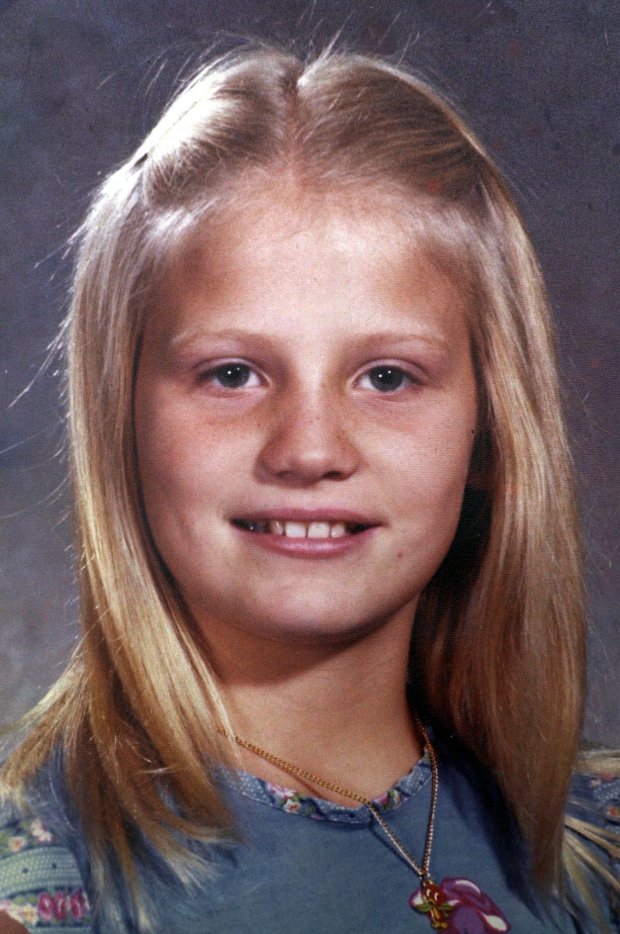
On June 20, 1979, 12-year-old Robin Samsoe disappeared from Huntington Beach, California, in a case that would later be linked to the notorious serial killer Rodney Alcala. Robin was last seen alive when she left her friend Bridget Wilvert's apartment to ride her bike to a 4 p.m. ballet lesson. She was dressed in a red T-shirt, shorts, and tennis shoes and was riding a yellow Schwinn 24-inch bike with turned-up handlebars. However, Robin never arrived at her ballet lesson, and her family immediately became concerned when she did not return home.
The investigation into Robin's disappearance led police to a crucial encounter that had occurred earlier that day. Robin and her friend Bridget had been sitting on the cliffs above the beach in Huntington Beach when they were approached by a man who claimed he was taking photographs for a school contest. He asked if he could photograph the girls, and they agreed. This man was later identified as Rodney Alcala. Bridget Wilvert and another witness, Jackelyn Young, who was an adult neighbor of Bridget, positively identified Alcala as the photographer they had met at the beach. Young had noticed the girls on the cliffs and walked toward them to investigate, which startled Alcala, causing him to depart quickly, looking over his shoulder several times.
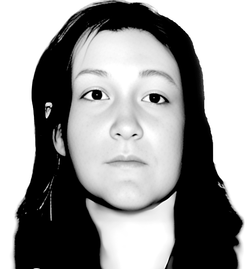
Alcala's description was vividly recalled by the witnesses. He was a man with dark hair, notable cheekbones, and a distinctive appearance that made him stand out. Richard Sillett, a City of Huntington Beach survey-party chief and an amateur photographer, also observed Alcala on the beach, noting that he carried a 35-millimeter camera with a telephoto lens. Sillett later identified Alcala from a composite sketch and at trial.
Five days after Robin's disappearance, on June 25, 1979, her mutilated body was discovered in a remote mountain ravine above Sierra Madre by Dana Crappa, a forest service employee. However, it was not until July 2, 1979, that the police were notified of the discovery by Crappa's colleague, William Poepke. The police investigation intensified, focusing on Alcala as the prime suspect due to the eyewitness identifications and other evidence.
On July 24, 1979, Rodney Alcala was arrested at his home in Monterey Park, California. The arrest was the result of a thorough investigation that included a search of his home and the discovery of a receipt for a storage locker in Seattle, Washington. This storage locker, rented by Alcala nine days after Robin's body was discovered, contained significant evidence, including hundreds of photographs of young women in vulnerable positions and a pair of gold-coated earrings that were later identified by Robin's mother as belonging to her daughter.
The trial of Rodney Alcala began in February 1980 and lasted for nearly two-and-a-half months, with almost 50 witnesses testifying. The prosecution presented a strong case, including the eyewitness identifications, the discovery of the gold earrings, and other physical evidence such as bloodstained leaves, rocks, and soil found near Robin's body. Alcala's alibi defense was weakened by inconsistencies and contradictory testimony from his witnesses. Ultimately, Alcala was found guilty of first-degree murder with a kidnapping-murder special circumstance and other related offenses.
Rodney Alcala's arrest and subsequent conviction marked the end of a long and gruesome trail of murders and assaults that he had committed over several years. His case highlighted the meticulous and often disturbing nature of his crimes, as well as the diligent efforts of law enforcement to bring him to justice.