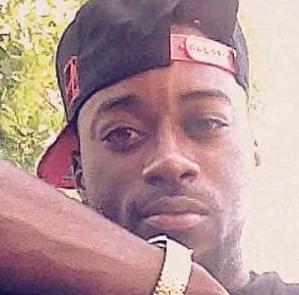
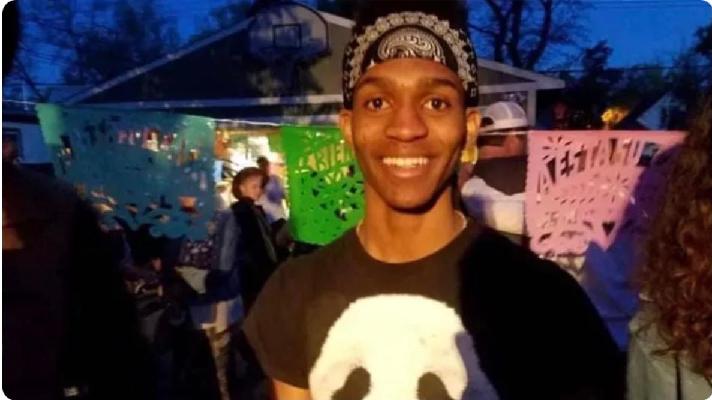
In the late evening hours of March 18, 1991, a friend of Ricky L. Allen made a grim discovery at his Colorado Springs residence. The 36-year-old White male was found unresponsive on the floor, the victim of an apparent gunshot wound to his head. Emergency personnel were summoned to the home, but it was too late; Allen was pronounced dead at the scene.
At first glance, the scene may have suggested a suicide. A cocked handgun was found in Mr.
Allen's hand, a detail that could have closed the case quickly. However, seasoned crime scene analysts and detectives from the Colorado Springs Police Department were not convinced. Upon closer examination of the evidence, they came to the conclusion that the scene had been carefully staged to mislead investigators and conceal the true nature of the event. The case was officially classified as a homicide.
As the investigation into Allen's death unfolded, interviews with his family and friends painted a more complex picture of his life. It was revealed that he was heavily involved in the drug trade, a lifestyle fraught with inherent dangers. This information opened up new avenues for investigators to explore, suggesting a motive for his murder could be linked to his illicit activities. Despite their efforts and the evidence collected from his residence, no arrests have ever been made in connection with the killing of Ricky L. Allen. His death remains an open and unsolved case with the Colorado Springs Police Department, a cold case file waiting for the one piece of information that could bring his killer to justice.