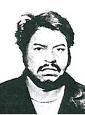
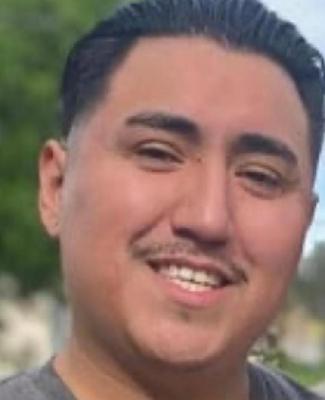
Luke Goodman, 23, male, was on a ski trip with family in Keystone, Colorado, when a night meant to wind down turned strange. On Saturday, March 21, 2015, relatives told reporters he had eaten several marijuana-infused candies—far more than the recommended dose—after the first pieces seemed slow to take effect. As the hours passed he grew jittery and incoherent, refusing to leave the condo with family.
Sometime around 10 p.m., after the others stepped out, he used the handgun he typically carried for protection and shot himself. Responders took him to Summit Medical Center and then flew him to St. Anthony Hospital near Denver, where he remained on life support until he died the following Tuesday, March 24.
In the days that followed, Summit County Coroner Regan Wood confirmed the death was a self-inflicted gunshot wound and noted witnesses reported Goodman had consumed a large quantity of marijuana edibles beforehand. Toxicology testing later showed THC in his blood, measured at 3.1 nanograms per milliliter—below Colorado’s per-se impairment threshold for driving—yet the coroner and consulting toxicologists cautioned that edibles can “stack,” and peak levels may have been higher earlier in the evening. Family members said he had not shown signs of depression and believed the overdose of edibles triggered a sudden, uncharacteristic crisis.
Reporters pieced together the hours before the shooting from interviews and official statements: Goodman and a cousin purchased a variety of edibles earlier that day; he ate two candies, then several more when nothing seemed to happen, ultimately ingesting about five standard 10-milligram servings. As his behavior deteriorated—staring through people, speaking nonsensically—relatives tried to coax him out for dinner. He stayed behind, and the shooting occurred shortly after. The case drew statewide attention because it was among the first in Colorado to be publicly associated with high-dose edibles, sparking debate over dosing, labeling, and the unpredictable onset of ingested THC.
Authorities treated the incident as a suicide from the outset; the coroner’s office finalized that ruling after toxicology results came back. There were no arrests, and investigators did not identify any suspects because no crime was alleged. Coverage from local and national outlets reiterated that conclusion while underscoring the family’s belief that the edibles precipitated a fatal impulsive act.